

Adebayo Promises to Slash Petrol Prices to N200 per Litre by 2027
Prince Adewole Adebayo, the presidential candidate of the Social Democratic Party, has vowed to reduce petrol prices to N200 per litre if elected in 2027. His plan hinges on revitalizing Nigeria's refineries and establishing a supportive environment for modular refineries.
The Abuja Times
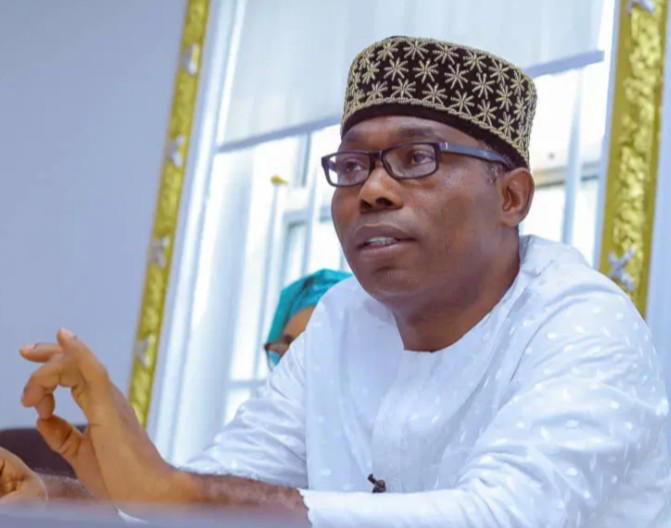
In a bold promise ahead of the 2027 presidential elections, Prince Adewole Adebayo, the candidate representing the Social Democratic Party (SDP), has committed to drastically lowering the price of petrol to N200 per litre. During an interview with the News Agency of Nigeria (NAN) in Abuja, Adebayo outlined his strategy to achieve this ambitious target within a year of his election by focusing on the revival of Nigeria's aging refineries and fostering an environment conducive to the operation of modular refineries.
Adebayo emphasized that Nigeria's existing refineries, despite their age, are far from obsolete and can be rehabilitated to meet the nation's fuel demands. He pointed to the operational longevity of refineries in the United States, some of which are over a century old, as a testament to the potential for Nigeria's facilities to be restored. “The age of a refinery does not determine its viability; it’s all about proper management and investment,” Adebayo stated.
In addition to reducing petrol prices, Adebayo proposed reinstating the original subsidy regime that allowed for 450,000 barrels of crude oil to be reserved for local consumption. He articulated a vision where the revenue from other petroleum products—such as naphtha, heavy fuel oil, diesel, and kerosene—could help sustain this pricing structure. “The ongoing debate over petrol subsidy is merely a distraction from the real issues plaguing our petroleum sector,” he asserted, urging a shift in focus towards enhancing domestic refining capabilities rather than continuing reliance on imported fuels.
Adebayo's commitment has stirred discussions about the feasibility of such promises in light of Nigeria's current economic challenges. Many observers are keen to see how his proposals will resonate with voters who are increasingly concerned about fuel prices and the broader implications for the economy. As the political landscape evolves, Adebayo’s vision for the petroleum sector could play a pivotal role in shaping his campaign and the future of Nigeria’s energy policies.
Share this article with your network
Broadcast directly to WhatsApp communities and news circles.
The Abuja Morning Dispatch
Get the capital's most important political investigations, cabinet decisions, and economic intelligence delivered to your inbox every morning.
About The Abuja Times
Super Admin & Lead Director
Related Dispatches in News

Ebola Resurfaces: Nigeria Faces New Challenge a Decade After 2014 Triumph
As Nigeria marks a significant anniversary in its public health history, the confirmation of a new Ebola case in Abuja raises urgent questions about the nation's preparedness. The recent incident serves as a critical test of the lessons learned from the 2014 outbreak that was successfully contained.

Kwankwaso Vows to Prioritize Jobs and Security in 2027 Election Campaign Amidst Obi's Absence
Rabiu Kwankwaso has outlined key focus areas for his envisioned Nigeria Democratic Congress (NDC) government, emphasizing the importance of security, education, and agricultural development. This pledge comes as fellow presidential hopeful Peter Obi misses an important meeting in Plateau State.

Nigeria's Ebola Case Shows Alarming Similarity to Kenya's Outbreak, Warns Health Minister
Nigeria's health authorities are sounding the alarm as a recent Ebola case bears striking similarities to an ongoing outbreak in Kenya, which has recorded nine confirmed infections. The minister's statement underscores the urgent need for heightened vigilance and preparedness in the face of potential viral spread.