

Assessing the Impact of Women in Tinubu's Cabinet: Power and Influence
As President Bola Ahmed Tinubu's administration unfolds, questions arise regarding the influence and power wielded by women in his cabinet. While their representation may be limited, the real inquiry lies in the depth of their impact on governance and public policy.
The Abuja Times
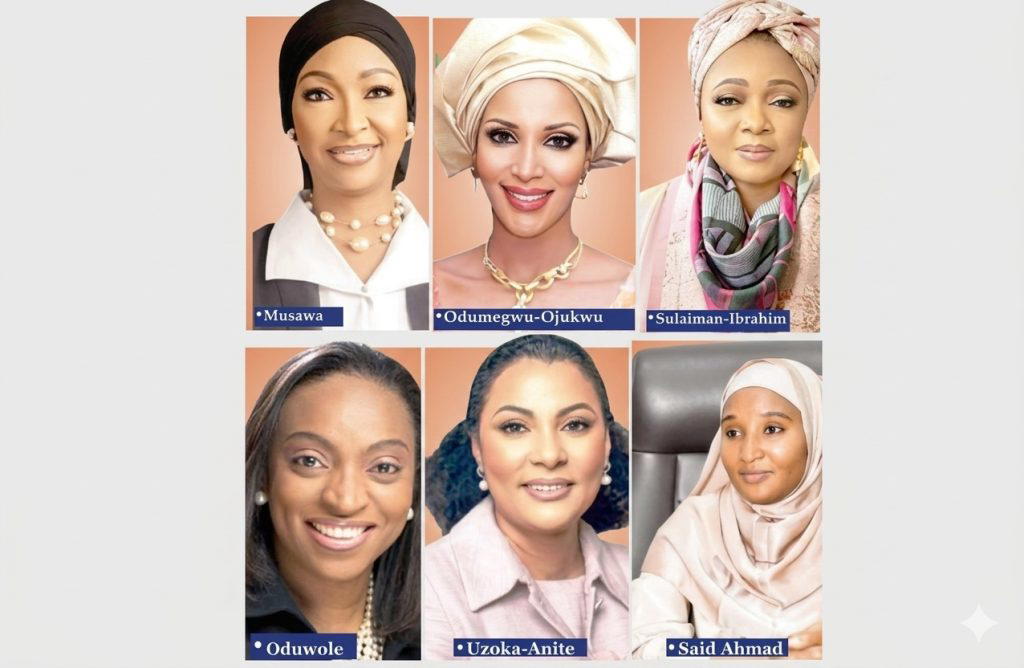
In the evolving landscape of Nigeria's political arena, the presence of women in President Bola Ahmed Tinubu's cabinet prompts critical reflection on their roles and the extent of their influence. While the inclusion of female leaders such as Hannatu Musawa at the Ministry of Art, Culture, Tourism and the Creative Economy, and Bianca Odumegwu-Ojukwu at Foreign Affairs is commendable, the broader question remains: Are these women able to exercise genuine power or are they merely figureheads within a traditionally male-dominated political structure?
The narrative surrounding women's participation in governance often becomes overshadowed by the sheer numbers and tokenism, focusing on appointments rather than the substantive authority that accompanies them. Analysts argue that it is essential to move beyond the numerical representation of women in government and scrutinize the actual impact they have on decision-making processes. The dynamics of power within the cabinet raise questions about whether these women have the autonomy required to effect meaningful change for their respective ministries and, by extension, the country.
Women like Imaan Sulaiman-Ibrahim at the Ministry of Women Affairs and Jumoke Oduwole at Industry, Trade and Investment bring diverse experiences to the table, yet their effectiveness hinges on the support and trust they receive from their male counterparts. As the cabinet navigates complex socio-economic challenges, it becomes increasingly vital for citizens to pay attention to the policies being crafted in these crucial meetings. Are the contributions of these women translating into tangible benefits for the populace, or are they merely participating in a system that limits their potential?
"The more important question is not simply how many women are in government. It is what type of power they have been given, what they are doing with it, and whether Nigerians are paying enough attention to the decisions being made in rooms where women sit now."
The significance of this inquiry cannot be overstated as Nigeria continues to grapple with issues of gender equality and empowerment. The effectiveness of women in leadership roles can serve as a litmus test for the country's commitment to inclusivity and progress. As observers, it is our responsibility to demand accountability and transparency from those in power, ensuring that the voices of women resonate within the corridors of governance.
Share this article with your network
Broadcast directly to WhatsApp communities and news circles.
The Abuja Morning Dispatch
Get the capital's most important political investigations, cabinet decisions, and economic intelligence delivered to your inbox every morning.
About The Abuja Times
Super Admin & Lead Director
Related Dispatches in News
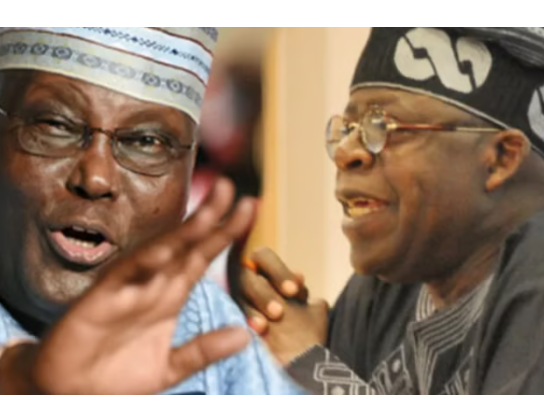
Political Loyalties in Flux: The Shift from Atiku to Tinubu's Camp
Recent developments in Nigerian politics highlight the fluidity of political allegiances, as former spokesmen for Atiku Abubakar transition to support President Bola Tinubu's re-election campaign. This shift raises questions about the nature of political loyalty and public perception in an ever-evolving political landscape.

Ebola Resurfaces: Nigeria Faces New Challenge a Decade After 2014 Triumph
As Nigeria marks a significant anniversary in its public health history, the confirmation of a new Ebola case in Abuja raises urgent questions about the nation's preparedness. The recent incident serves as a critical test of the lessons learned from the 2014 outbreak that was successfully contained.

Kwankwaso Vows to Prioritize Jobs and Security in 2027 Election Campaign Amidst Obi's Absence
Rabiu Kwankwaso has outlined key focus areas for his envisioned Nigeria Democratic Congress (NDC) government, emphasizing the importance of security, education, and agricultural development. This pledge comes as fellow presidential hopeful Peter Obi misses an important meeting in Plateau State.