

Atiku Abubakar Proposes Fuel Subsidy Restoration to Lower Costs for Nigerians
Former Vice-President Atiku Abubakar has unveiled his plan to reinstate fuel subsidies aimed at supporting local refining and reducing petrol prices, offering a fresh approach to Nigeria's cost-of-living crisis. He emphasizes the need for a 'production subsidy' to benefit domestic refineries and ultimately lower transportation and energy costs for consumers.
The Abuja Times
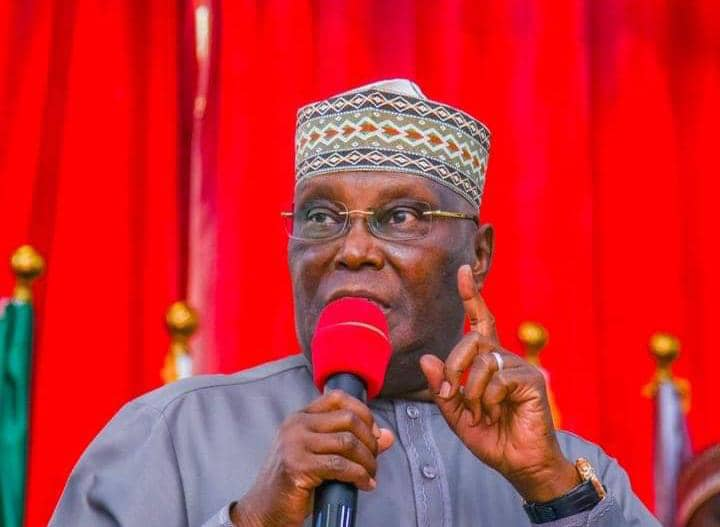
In a significant policy announcement, former Vice-President Atiku Abubakar has articulated his intention to restore fuel subsidies, emphasizing that the initiative is designed to bolster local refining capabilities rather than subsidize imported fuel. Atiku shared his vision via a series of posts on his X platform, where he clarified that his proposed policy would constitute a 'production subsidy', aimed at reducing the costs associated with domestic oil refining.
Atiku likened his plan to supporting local shoemakers in Aba over subsidizing imported shoes, highlighting that the government should invest in domestic production to create jobs and drive down prices for consumers. “I choose the Aba shoemaker,” he remarked, drawing a direct parallel to the fuel industry, where he believes that supporting local refineries will lead to lower petrol prices and ultimately benefit the Nigerian populace.
Further elaborating on the broader implications of his policy, Atiku noted that it is not solely about reducing fuel prices but also about alleviating the ongoing cost-of-living crisis affecting many Nigerians. He stated, “I want the bus fare you pay every morning to come down. I want the cost of taking food from the farm to the market to come down,” emphasizing the interconnectedness of fuel costs with transportation, food distribution, and energy expenses.
Atiku's approach aims to ease the financial burden on households and small businesses, asserting that by lowering fuel prices, the government can help reduce overall operational costs for various sectors. His vision for Nigeria reflects a broader strategy to foster economic resilience and sustainability through domestic production initiatives.
Share this article with your network
Broadcast directly to WhatsApp communities and news circles.
The Abuja Morning Dispatch
Get the capital's most important political investigations, cabinet decisions, and economic intelligence delivered to your inbox every morning.
About The Abuja Times
Super Admin & Lead Director
Related Dispatches in News

Critical Voices Question President Tinubu's Economic Promises
As President Tinubu sets a bold target for Nigeria's economy to reach $1 trillion by 2030, critics raise concerns about the feasibility of such ambitions, citing a pattern of unfulfilled political promises. The debate intensifies as evidence is presented that challenges the president's economic credentials and the realism of his goals.
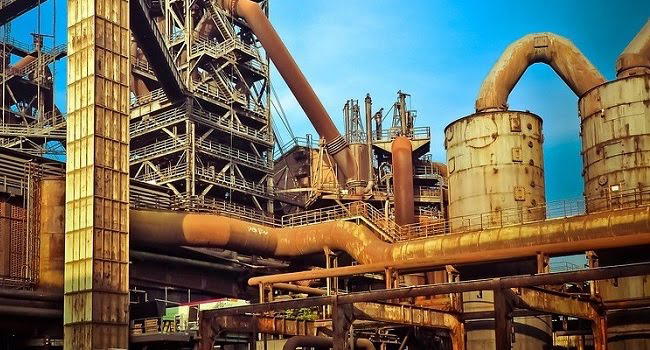
Ajaokuta Steel Company: Economic Planning Failures Blamed for 40-Year Stalemate
Dr. Baba Musa, President of the Nigerian Economic Society, attributes the prolonged inactivity of the Ajaokuta Steel Company to a breakdown in long-term economic planning. Speaking at the National Growth & Development Forum, he emphasized the need for strategic cohesion in Nigeria's development efforts.

Tinubu Calls for Voter Mobilization Ahead of 2027 Elections in Lagos
President Bola Tinubu has emphasized the importance of Lagos State in the lead-up to the 2027 general elections, urging residents to collect their Permanent Voter Cards (PVCs). During a special prayer session, he highlighted the need for increased voter turnout to reflect the state's significant political weight.