

Atiku Abubakar's Production Subsidy Proposal: A Political Gamble or Economic Strategy?
Former Vice President Atiku Abubakar's recent proposal for a capped production subsidy has reignited debates on Nigeria's economic policies, raising questions about the intersection of politics and economics. As the nation reflects on his Independence Day announcement, stakeholders are urged to critically assess the implications of such a subsidy on Nigeria's financial landscape.
The Abuja Times

Alhaji Atiku Abubakar, a prominent figure in Nigeria's political arena and the presidential candidate of the African Democratic Congress (ADC), has once again placed himself at the forefront of a critical economic conversation. In a recent policy statement made on Nigeria's Independence Day, he announced a proposal for a capped and budgeted production subsidy, which he claims could reignite economic growth and stabilize local production. This proposal has sparked significant debate among economists, political analysts, and the general public alike.
The concept of a production subsidy is not new in Nigeria's economic discourse. However, with the nation grappling with high inflation rates and a fluctuating currency, Atiku's timing raises essential questions about the motivations behind such a policy. Critics argue that while the intent may be noble, the execution could be fraught with political maneuvering, overshadowing its economic rationale. As Atiku himself noted, the subsidy aims to alleviate the financial burdens faced by local producers, potentially leading to a more self-reliant economy.
“We need to ensure that our local producers are supported adequately,” Atiku stated during his announcement. “This subsidy will serve as a catalyst for growth, enabling us to produce more and reduce our import dependency.” Yet, the effectiveness of such measures often hinges on their implementation and the political will to follow through, something that has historically been a challenge in Nigeria.
As stakeholders prepare to dissect the implications of Atiku's proposal, the broader question remains: has political ambition overtaken sound economic policy? With the upcoming elections on the horizon, there is a palpable sense of skepticism about whether this proposal is a genuine attempt to bolster Nigeria’s economy or merely a strategic move to garner support from the electorate. The success of this initiative will depend on transparent discussions and a commitment to prioritizing the economic welfare of the nation over political gains.
Share this article with your network
Broadcast directly to WhatsApp communities and news circles.
The Abuja Morning Dispatch
Get the capital's most important political investigations, cabinet decisions, and economic intelligence delivered to your inbox every morning.
About The Abuja Times
Super Admin & Lead Director
Related Dispatches in Business

Ekiti State Celebrates 30 Years of Progress with ₦50 Billion Annual IGR
As Ekiti State marks its 30th anniversary, the government reveals a significant boost in its annual Internally Generated Revenue (IGR), surpassing ₦50 billion. This achievement highlights the state’s economic diversification efforts, reducing its reliance on agriculture from 80% to 40% over the past two decades.

NUPRC Launches 2026 Licensing Round to Revitalize Oil Production
The Nigerian Upstream Petroleum Regulatory Commission (NUPRC) has announced a 2026 licensing round aimed at revitalizing the oil sector, with plans to restore over 788,000 barrels per day of shut-in production. The initiative also includes advancing offshore projects worth between $30 billion to $50 billion to a final investment decision.
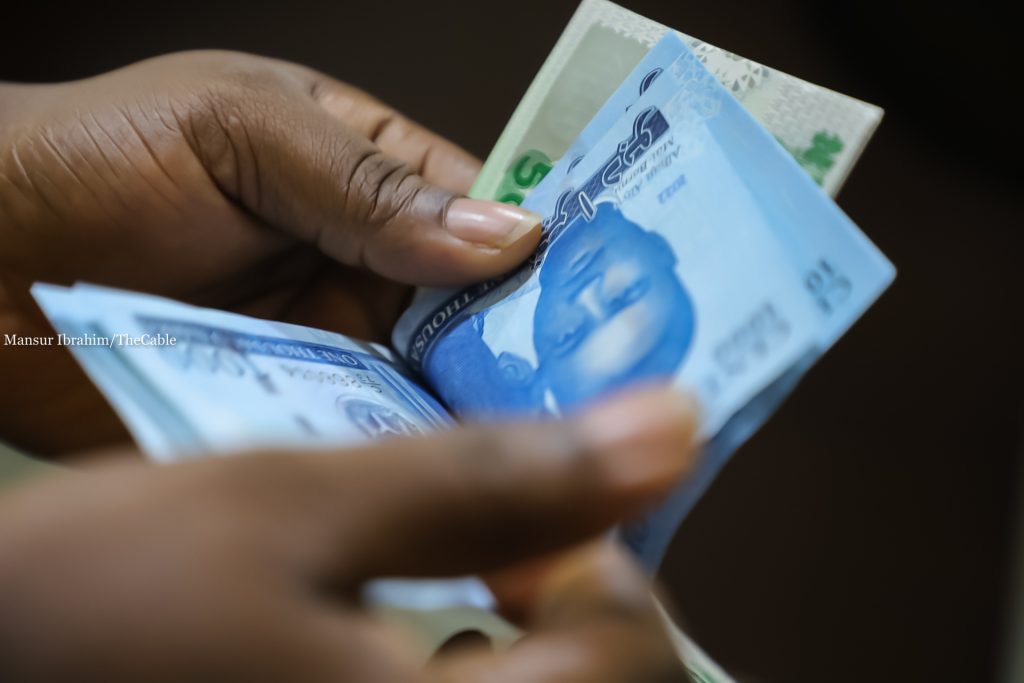
Naira Depreciates to N1,362/$ in Parallel Market Amid Rising Interbank Activity
The Naira has fallen to N1,362 per dollar in the parallel market, reflecting a slight decline from the previous day's rate. Meanwhile, the official exchange rate has seen a modest appreciation, indicating mixed trends in Nigeria's foreign exchange landscape.