

Atiku Challenges Tinubu to Justify Nigeria's ₦166.79 Trillion Debt Amid Rising Revenues
Former Vice President Atiku Abubakar has called on President Bola Tinubu to clarify the surge in Nigeria's public debt, which has escalated to ₦166.79 trillion despite increased government revenues. He argues that Nigerians deserve transparency regarding the economic reforms that have yet to yield tangible benefits for the populace.
The Abuja Times
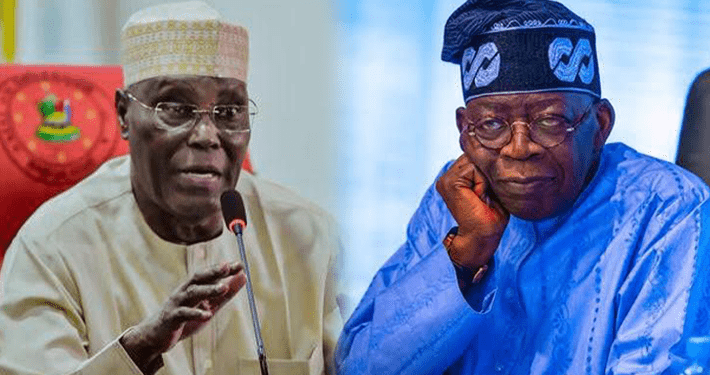
Former Vice President Atiku Abubakar has publicly challenged President Bola Tinubu to provide explanations for the alarming increase in Nigeria's public debt, which recently reached ₦166.79 trillion. This figure marks a substantial rise from ₦49.85 trillion recorded in March 2023, raising serious questions about the impact of the government's economic policies amidst claims of rising revenues.
In a statement issued by Phrank Shaibu, the Director of Strategic Communications for the ADC Presidential Campaign Council, Atiku emphasized that the Nigerian populace is entitled to understand why the government continues to borrow extensively. He noted that despite the reported increases in government revenues, citizens have not seen any corresponding improvements in their living conditions, which have been adversely affected by rising costs of food, transportation, fuel, and electricity.
“A government that says more money is coming in must explain why it keeps borrowing and why the people paying for its policies cannot see the promised gains,” Atiku stated.
Atiku's concerns extend beyond mere numbers; he urged President Tinubu to provide a comprehensive reconciliation of the national debt. This includes detailing old obligations that have been newly accounted for, the impact of exchange rates on foreign debt, and any new loans contracted since 2023, along with repayments and outstanding balances. His call for transparency reflects a growing frustration among Nigerians who are struggling with increasing living costs.
Furthermore, Atiku pointed out the widening gap between official economic indicators and the harsh realities faced by the average citizen. He argued that while government revenues and other macroeconomic indicators may show improvement, they have not translated into better living conditions for many Nigerians. “The true test of economic policy is whether Nigerians can afford their basic needs,” he concluded.
Share this article with your network
Broadcast directly to WhatsApp communities and news circles.
The Abuja Morning Dispatch
Get the capital's most important political investigations, cabinet decisions, and economic intelligence delivered to your inbox every morning.
About The Abuja Times
Super Admin & Lead Director
Related Dispatches in News
APC Chairman Reveals Over 10 Million Cash Transfer Beneficiaries Lack Access to Phones and Social Media
Nentawe Yilwatda, the National Chairman of the APC, highlights the challenges faced by over 10 million beneficiaries of the N75,000 cash transfer program, noting their lack of access to phones and social media. Speaking in Maiduguri, he emphasized the need for these vulnerable Nigerians to have a voice in public discussions about government policies.

Umahi Dismisses Wike's Rainbow Coalition Presence in Ebonyi Ahead of 2027 Elections
Ebonyi State Governor David Umahi has asserted that the Rainbow Coalition led by his Rivers State counterpart, Nyesom Wike, does not have a foothold in Ebonyi. This statement comes amid rising tensions and disagreements among All Progressives Congress (APC) governors regarding the coalition's implications for the upcoming elections.

Nigeria Advocates for Equitable Pandemic Financing and Vaccine Access at UN Forum
At a recent United Nations meeting, Nigeria called for enhanced accessibility to pandemic preparedness financing for low- and middle-income nations while emphasizing the need for fair distribution of vaccines and medical resources. This appeal highlights the ongoing disparities in global health equity, especially in the wake of the COVID-19 pandemic.