

BRICS Nations Move Towards Local Currency Trading to Enhance Bilateral Trade
In a significant economic shift, BRICS countries have agreed to facilitate trade using local currencies, a strategy aimed at reducing transaction costs and promoting bilateral trade. This move marks a pivotal step in reshaping international trade dynamics among member nations.
The Abuja Times

The BRICS nations, comprising Brazil, Russia, India, China, and South Africa, are set to implement a system that allows for trade settlements in their respective local currencies. This initiative aims to mitigate the reliance on dominant currencies such as the US dollar, thereby lowering transaction costs and fostering stronger economic ties among member countries.
Advocates of local currency trading argue that it not only streamlines the process of international commerce but also enhances financial sovereignty. As global economic shifts continue to challenge traditional trade practices, the BRICS nations are taking proactive steps to establish a more resilient and autonomous trading framework.
“Local currency settlement is a practical mechanism to reduce transaction costs, to bring bilateral trade,” a spokesperson for the BRICS coalition noted, highlighting the strategic importance of this initiative.
This move is expected to encourage more trade between BRICS countries, potentially leading to increased economic collaboration and investment opportunities. As these nations work together to strengthen their economic positions, the implications for global trade could be profound, signaling a shift towards multipolarity in international finance.
Share this article with your network
Broadcast directly to WhatsApp communities and news circles.
The Abuja Morning Dispatch
Get the capital's most important political investigations, cabinet decisions, and economic intelligence delivered to your inbox every morning.
About The Abuja Times
Super Admin & Lead Director
Related Dispatches in Business
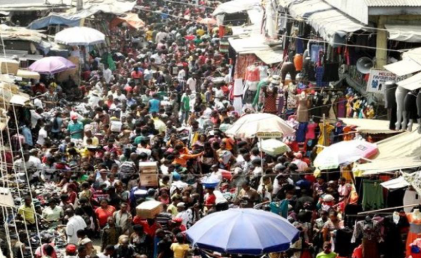
Navigating the Storm: Protectionism as a Solution for Nigeria's Retail Sector
Nigeria's retail sector, vital for the economy, faces significant challenges from a surge in imports, particularly from China. To safeguard local industries and promote economic sustainability, a shift towards protectionism may be necessary.

Fidelity Bank Receives Rating Upgrade from GCR Amidst Strengthened Capital Base
Global Credit Ratings (GCR) has elevated Fidelity Bank's rating, citing a robust capital position and a solid funding profile. The upgrade reflects the bank's substantial deposit base, which underscores its financial stability and growth potential.

FirstBank Launches FirstEase: A Digital Solution for Convenient Payments
FirstBank's new FirstEase initiative offers customers an innovative way to manage big-ticket purchases and everyday bills through digital lending. The program provides flexible payment options for e-commerce and bill payments, enhancing financial accessibility for users.