

CBN Announces 3% Interest Rate Cut, Sparks Mixed Reactions Among Experts
The Central Bank of Nigeria has reduced the Monetary Policy Rate from 26.5% to 23%, aiming to align with current financial market conditions. While some experts hail the cut as a necessary adjustment, others argue it remains insufficient to stimulate economic growth.
The Abuja Times
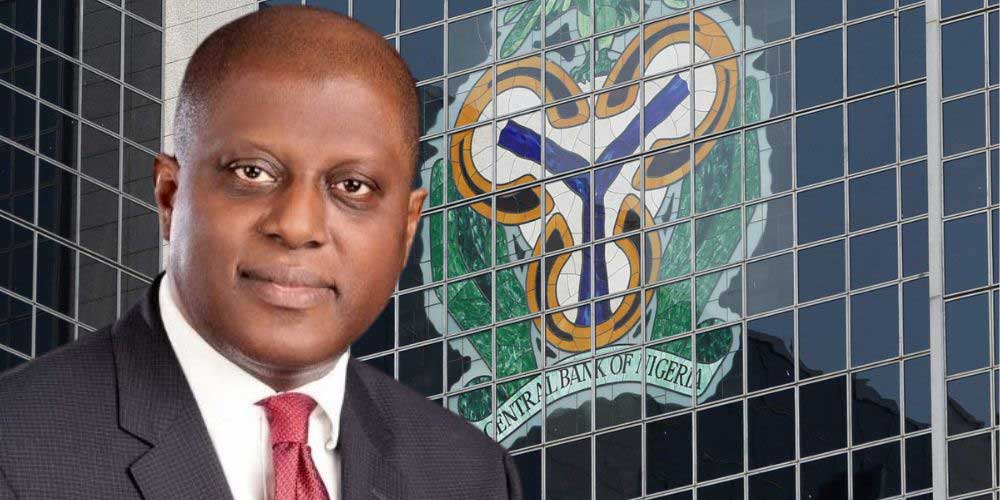
The Central Bank of Nigeria (CBN) has implemented a significant reduction in the Monetary Policy Rate (MPR), lowering it from 26.5% to 23% in a move described by the bank's governor, Mr. Olayemi Cardoso, as a necessary reset to reflect current financial market realities. This decision, made during the 307th Monetary Policy Committee (MPC) meeting, has elicited a spectrum of reactions from various stakeholders in the financial sector.
While some experts regard the rate cut as a positive step, others express concerns about its efficacy in stimulating business activities. Mr. Lucky Amiwero, the National President of the National Council of Managing Directors of Licensed Customs Agents (NCMDLCA), labeled the reduction as insufficient to invigorate economic growth, emphasizing that the current rate remains too high for businesses to thrive. In contrast, Dr. Muda Yusuf, CEO of the Centre for the Promotion of Private Enterprise (CPPE), praised the move, stating it provides much-needed relief for the real sector and is a timely adjustment to the economic landscape.
In addition to differing opinions on the impact of the rate change, industry leaders are assessing its implications for the capital market. Fiona Ahimie, President of the Chartered Institute of Stockbrokers (CIS), noted that the reduction could signify a pivotal moment for asset repricing in the capital market, potentially ushering in a new phase of investment dynamics. Meanwhile, Professor Uche Uwaleke, President of the Capital Market Academics of Nigeria, underscored the importance of the MPC's decision in shaping future economic policies and market responses.
As the financial community continues to analyze the repercussions of this rate adjustment, the CBN's decision highlights the ongoing challenges and opportunities within Nigeria's economic framework. Stakeholders remain watchful for further developments that could influence both local and international investment sentiments.
Share this article with your network
Broadcast directly to WhatsApp communities and news circles.
The Abuja Morning Dispatch
Get the capital's most important political investigations, cabinet decisions, and economic intelligence delivered to your inbox every morning.
About The Abuja Times
Super Admin & Lead Director
Related Dispatches in Business

South-East Gas Pipeline: A $100 Million Investment to Propel Industrial Growth
The proposed 400-kilometer gas pipeline in Nigeria's South-East region aims to alleviate the energy crisis that has long hindered industrial growth. With an investment of approximately $100 million, this initiative seeks to connect local businesses to reliable natural gas sources, potentially transforming the economic landscape.

Greenwich Bank Expands Footprint with New Branches in Warri and Uyo
Greenwich Bank Limited has inaugurated new branches in Warri and Uyo as part of its ambitious expansion strategy targeting five additional cities across Nigeria. This move is aimed at enhancing financial services in key economic regions, particularly the Niger Delta.

NNPC Clarifies $2.04 Billion Duke Oil Transactions Amid Missing Funds Allegations
The Nigerian National Petroleum Company Limited (NNPC) has refuted claims of unaccounted funds from $2.04 billion in crude oil cargoes managed by Duke Oil Company, asserting that all transactions are thoroughly reconciled. The company emphasized that the financial structure of its Direct Sale Direct Purchase program ensures that no funds are missing, despite some confusion regarding transaction receipts.