

Critique of Nigeria's Education Ministry: A Call for Reform and Competence
A recent column critiques the Nigerian Ministry of Education, highlighting its perceived incompetence and lack of vision under the leadership of Dr. Tunji Maruf Alausa. The author emphasizes the need for a thoughtful approach to educational policy, contrasting past educational leaders with current missteps.
The Abuja Times

The Nigerian Ministry of Education, traditionally seen as a beacon of enlightenment and progress, is now under intense scrutiny for its leadership and decision-making processes. Owei Lakemfa, in a recent column, characterizes the ministry as lacking direction and competence, particularly under Dr. Tunji Maruf Alausa's tenure. He draws attention to the controversy surrounding the concession of King’s College, Lagos, to its Old Boys, suggesting that this reflects a broader issue of mismanagement within the ministry.
Lakemfa's critique extends beyond the King’s College issue, pointing to past missteps including attempts to auction off land from the Federal Government College in Kano. He argues that such actions exemplify a troubling trend of neglect and misjudgment that undermines the educational framework in Nigeria. The Ministry's controversial moves to cut social sciences and arts courses, which the author describes as 'illiterate and anti-intellectual,' further illustrate a disconnect from the foundational values of education.
Furthermore, Lakemfa highlights a concerning lack of consultation in major educational reforms, such as the abrupt review of the national curriculum and the shift from the established 6-3-3-4 system to a linear 12-year education model. These changes, he argues, are emblematic of a broader failure to engage stakeholders and uphold the quality of education in Nigeria.
"The current leadership of the Education Ministry under Dr. Tunji Maruf Alausa is exposed as retarded in its approach to educational policy, lacking the foresight and competency required to nurture the intellectual growth of the nation’s youth," Lakemfa asserts.
The discourse surrounding the Ministry of Education is critical, as it not only reflects the current state of Nigeria's educational policies but also signals a pressing need for reform. As the nation grapples with these challenges, the call for a return to competent leadership and visionary policies becomes increasingly urgent.
Share this article with your network
Broadcast directly to WhatsApp communities and news circles.
The Abuja Morning Dispatch
Get the capital's most important political investigations, cabinet decisions, and economic intelligence delivered to your inbox every morning.
About The Abuja Times
Super Admin & Lead Director
Related Dispatches in News

Makinde and Running Mate to Launch Nationwide Town Hall Meetings Ahead of 2027 Elections
The Makinde-Daura Campaign Council has announced a series of nationwide town hall meetings aimed at addressing critical issues affecting Nigerians. The campaign emphasizes a citizen-driven approach focused on national stability and the well-being of the populace.

Navigating the Political Landscape: The Church's Role in Nigeria's Future
As Nigeria gears up for the 2027 elections, the intertwining of faith and politics is coming to the forefront, with the church poised to play a pivotal role in shaping the nation's destiny. The period following the 2023 elections has already seen significant political realignments, hinting at a transformative election period ahead.
Reflections on Presidential Leadership Amidst National Challenges
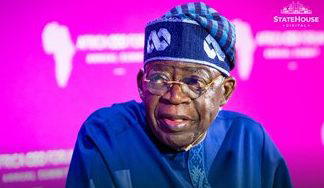
In a candid exploration of Nigeria's leadership, columnist Tony Afejuku reflects on the disconnect between the president and the populace, particularly in light of recent criticisms voiced by Nigerian Catholic Bishops. This commentary sheds light on the pressing issues facing the nation and the urgent need for responsive governance.