

Federal Government Boosts Power Supply to 15 Universities with 68.2MW Off-Grid Capacity
Under the Energising Education Programme, the Federal Government has successfully installed off-grid electricity systems in 15 tertiary institutions, enhancing their power supply and reducing reliance on the national grid. This initiative aims to improve educational and healthcare services by ensuring reliable electricity for teaching and research activities.
The Abuja Times
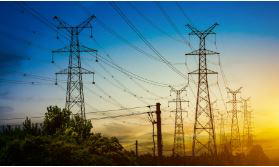
The Federal Government of Nigeria has made significant strides in enhancing electricity supply to tertiary institutions through the Energising Education Programme (EEP) managed by the Rural Electrification Agency (REA). A total of 15 universities across the country have been equipped with off-grid electricity systems that boast a combined installed capacity of 68.2 megawatts (MW). This initiative is designed to not only mitigate the challenges posed by unreliable power supply but also to facilitate better teaching, research, and healthcare services in these institutions.
According to a recent report from the REA, the University of Maiduguri and its affiliated Teaching Hospital lead the initiative with a total installed capacity of 12MW. Other notable institutions include the University of Calabar and its Teaching Hospital with 7MW, as well as the Michael Okpara Federal University of Agriculture in Abia State, which has an installed capacity of 3MW. Additionally, both the Federal University of Agriculture in Abeokuta and Yakubu Gowon University in the Federal Capital Territory have been provided with 3MW each, further enhancing their operational capabilities.
Other universities benefiting from this project include the Nigerian Defence Academy in Kaduna State, which has a capacity of 2.5MW, and the Federal University, Gashua in Yobe State, with 1.5MW. The University of Port Harcourt stands out with an impressive 10.7MW capacity, while the Federal University of Technology in Owerri has been equipped with 8MW. This comprehensive electrification effort aims to lessen the institutions' reliance on the often erratic national grid, ensuring a more stable power supply essential for academic and healthcare advancements.
“By providing these institutions with reliable power sources, we are not only improving educational outcomes but also fostering an environment where research and healthcare can thrive,” said a spokesperson from the REA.
This initiative is part of the government's broader efforts to enhance the resilience of Nigeria's education sector and to ensure that students and staff have access to the necessary resources for success. As the country continues to grapple with energy challenges, such programs are crucial for building a more sustainable future for its educational institutions.
Share this article with your network
Broadcast directly to WhatsApp communities and news circles.
The Abuja Morning Dispatch
Get the capital's most important political investigations, cabinet decisions, and economic intelligence delivered to your inbox every morning.
About The Abuja Times
Super Admin & Lead Director
Related Dispatches in News

Critical Voices Question President Tinubu's Economic Promises
As President Tinubu sets a bold target for Nigeria's economy to reach $1 trillion by 2030, critics raise concerns about the feasibility of such ambitions, citing a pattern of unfulfilled political promises. The debate intensifies as evidence is presented that challenges the president's economic credentials and the realism of his goals.

Ajaokuta Steel Company: Economic Planning Failures Blamed for 40-Year Stalemate
Dr. Baba Musa, President of the Nigerian Economic Society, attributes the prolonged inactivity of the Ajaokuta Steel Company to a breakdown in long-term economic planning. Speaking at the National Growth & Development Forum, he emphasized the need for strategic cohesion in Nigeria's development efforts.

Tinubu Calls for Voter Mobilization Ahead of 2027 Elections in Lagos
President Bola Tinubu has emphasized the importance of Lagos State in the lead-up to the 2027 general elections, urging residents to collect their Permanent Voter Cards (PVCs). During a special prayer session, he highlighted the need for increased voter turnout to reflect the state's significant political weight.