

Former Governor Ortom's Controversial Car Seizure Sparks Debate on Political Entitlements
The seizure of 23 vehicles from former Benue State Governor Samuel Ortom has reignited discussions on the ethics surrounding political entitlements in Nigeria. Critics argue that such practices contribute to the mismanagement of state resources as outgoing officials claim assets as personal bonuses.
The Abuja Times
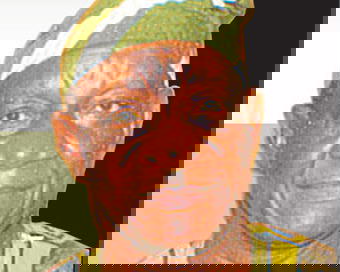
In a recent statement, former Governor Samuel Ortom of Benue State expressed his dismay over the seizure of 23 vehicles reportedly assigned to him by the state government during his tenure. Ortom described the act as unbecoming, suggesting that the vehicles were legitimately allocated to him and other members of his administration through the State Executive Council (SEC) after years of service.
This incident has raised eyebrows and sparked a broader debate on the practices of outgoing governors in Nigeria. Observers have noted that many governors, upon leaving office, often claim what they perceive as their entitlements, leading to significant financial strain on their states. Ortom's case, however, is particularly striking as it has been suggested that the vehicles taken may represent just a fraction of a larger trend, where over 100 vehicles could have been appropriated with the approval of the former governor himself.
Dele Sobowale, a commentator on political affairs, highlighted that Ortom's situation is not an isolated case but rather part of a systemic issue that has persisted since the return to civilian rule in 1999. He pointed out that while no military governor was assigned such a luxury of vehicles, it has become commonplace for civilian governors to claim extensive fleets as part of their legacy. Sobowale’s assertion that 23 cars would be seen as prudent by current standards underscores the normalization of excess among Nigerian political leaders.
Critics of the practice argue that it reflects a deeper malaise within the political system, where personal gain often supersedes public service. The discussion around Ortom's vehicles serves as a reminder of the need for transparency and accountability in governance, particularly regarding the management of state resources. As the nation continues to grapple with issues of corruption and misallocation, the focus on political entitlements like those claimed by Ortom may prompt calls for reform.
“No military governor had up to 23 cars assigned to the Governor’s Office or residence,” Sobowale remarked, indicating the stark contrast in resource allocation between military and civilian administrations.
Share this article with your network
Broadcast directly to WhatsApp communities and news circles.
The Abuja Morning Dispatch
Get the capital's most important political investigations, cabinet decisions, and economic intelligence delivered to your inbox every morning.
About The Abuja Times
Super Admin & Lead Director
Related Dispatches in News

SERAP Takes Legal Action Against INEC Over Political Financing Transparency Ahead of 2027 Elections
The Socio-Economic Rights and Accountability Project (SERAP) has filed a lawsuit against the Independent National Electoral Commission (INEC), demanding greater transparency in political donations and party finances to ensure fair elections in 2027. SERAP argues that disclosing political donation limits is crucial for maintaining a level playing field in the electoral process.
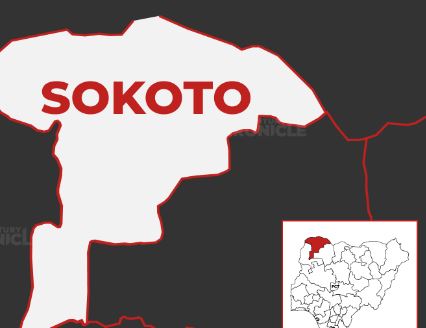
Tensions Escalate in Sokoto Following Stabbing of Cleric Amid Allegations of Blasphemy
A violent incident in Sokoto has left the community reeling after a popular cleric was stabbed, leading to the death of his alleged attacker at the hands of a mob. The state government has responded by closing the mosque and launching investigations into the matter, igniting a broader debate on religious freedom and mob justice.

Tensions Rise Within APC as Governors Confront Wike Over 2027 Election Strategy
As the All Progressives Congress (APC) grapples with internal discord, President Bola Tinubu faces mounting pressure from a coalition of governors opposing Minister Nyesom Wike's influence, raising critical questions about the party's future ahead of the 2027 elections.