

Government Reaffirms Stance Against Fuel Subsidies and Multiple Exchange Rates
In a decisive statement, Oyedele has confirmed that the Nigerian government will not reinstate fuel subsidies or adopt multiple exchange rates, emphasizing a commitment to economic reform. This announcement comes amid ongoing discussions about the country's financial policies and their implications for citizens.
The Abuja Times

Nigeria's economic landscape is set to undergo significant transformations as Oyedele, a key government official, reiterated that there will be no return to fuel subsidies or the implementation of multiple exchange rates. This declaration aims to clarify the government's position amidst growing debates on how best to stabilize the economy and manage inflation rates.
During a recent press conference, Oyedele stated, "Let me be clear, there will be no return to fuel subsidies or multiple exchange rates." His remarks suggest a firm commitment to maintaining a unified exchange rate system, which is intended to promote transparency and encourage foreign investment in Nigeria. This approach aligns with broader efforts to reform the economy and reduce reliance on subsidies that have historically burdened the national budget.
The decision not to reinstate fuel subsidies comes as the country grapples with rising fuel prices and their impact on the cost of living. Critics argue that the absence of subsidies could exacerbate financial hardships for many Nigerians, while proponents believe that eliminating them will foster a more sustainable economic environment in the long run.
"The government is focused on creating a stable economic framework that will ultimately benefit all Nigerians," Oyedele added, underscoring the administration's long-term vision for economic stability.
As the government navigates these complex economic challenges, its commitment to avoiding fuel subsidies and multiple exchange rates will likely have far-reaching implications for both the domestic market and international investors. Stakeholders will be closely monitoring the outcomes of these policies as Nigeria seeks to enhance its economic resilience.
Share this article with your network
Broadcast directly to WhatsApp communities and news circles.
The Abuja Morning Dispatch
Get the capital's most important political investigations, cabinet decisions, and economic intelligence delivered to your inbox every morning.
About The Abuja Times
Super Admin & Lead Director
Related Dispatches in Business

International Investors View Nigerian Opposition as Unserious, Says Oyedele
Market analyst, Mr. Oyedele, asserts that both domestic and international investors have lost confidence in Nigeria's opposition politicians regarding economic policies. He points to their lack of engagement with the impending return of fuel subsidy as evidence of their perceived unseriousness.
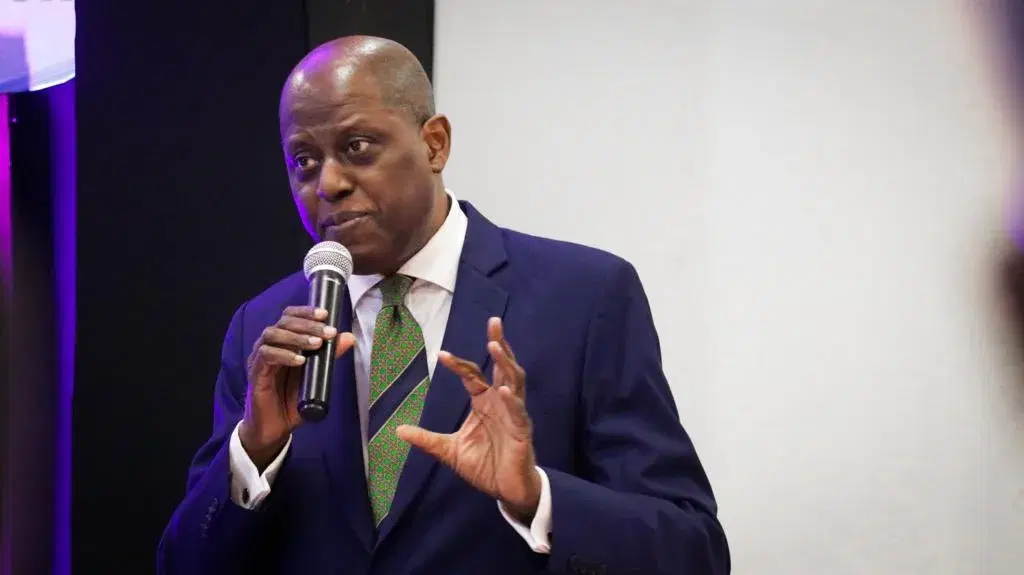
Central Bank Governor Highlights Nigeria's Economic Stability as Key to Attracting Long-Term Investments
Olayemi Cardoso, Governor of the Central Bank of Nigeria, emphasizes that sustained macroeconomic stability and declining inflation are pivotal for attracting long-term investments. Speaking at the IMF/World Bank Annual Meetings, he outlines the CBN's commitment to strengthening investor confidence and enhancing the economy's resilience.

Transforming Cocoa Challenges into Opportunities: An Interview with John Alamu of Johnvents
John Alamu, the visionary behind Johnvents, discusses the innovative strategies his company employs to address Nigeria's cocoa industry challenges while expanding its reach across Africa and beyond. Through sustainable practices and farmer support, Johnvents is positioning itself as a leader in global agribusiness.