

Harnessing Blue Finance: Nigeria's Path to Sustainable Development
As Nigeria looks to move beyond oil dependence, blue finance emerges as a vital avenue for capital mobilization. This innovative approach leverages the nation's rich coastal ecosystems to generate revenue while promoting environmental conservation.
The Abuja Times

Nigeria stands at a critical juncture in its economic evolution, as the need to diversify away from oil dependence becomes increasingly urgent. Blue finance, a concept that focuses on sustainable financial solutions tied to the health of ocean and coastal ecosystems, presents an innovative pathway for the country. By capitalizing on its extensive mangroves and coastal resources, Nigeria can tap into the burgeoning blue carbon market, which rewards efforts to preserve and enhance marine environments.
The Niger Delta, with its rich biodiversity, offers a unique opportunity for Nigeria to lead in the blue finance sector. Initiatives that focus on protecting and restoring these vital ecosystems not only provide environmental benefits but also open new revenue streams. These nature-based solutions are crucial for addressing Nigeria's budget deficits while simultaneously fostering a sustainable economy that prioritizes ecological integrity.
“Blue finance must become the preferred option for capital mobilization,” argues Uche Igwe, emphasizing the importance of integrating environmental preservation with economic growth.
Moreover, the implementation of blue finance strategies can also strengthen communities by creating jobs and supporting livelihoods through sustainable practices. As global awareness of climate change and environmental degradation grows, investors are increasingly looking for opportunities that align with sustainability goals. Nigeria's focus on blue finance could attract international funding and partnerships, enhancing its global economic standing.
The journey towards embracing blue finance requires a comprehensive policy framework that supports investment in coastal conservation and sustainable resource management. By prioritizing these initiatives, Nigeria can not only secure its economic future but also position itself as a leader in sustainable development on the African continent.
Share this article with your network
Broadcast directly to WhatsApp communities and news circles.
The Abuja Morning Dispatch
Get the capital's most important political investigations, cabinet decisions, and economic intelligence delivered to your inbox every morning.
About The Abuja Times
Super Admin & Lead Director
Related Dispatches in Business
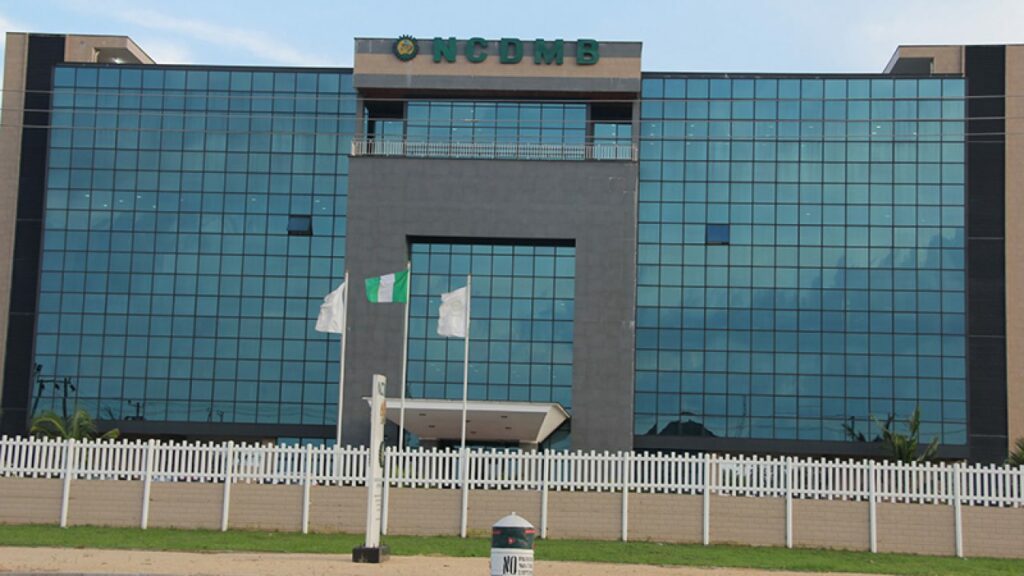
NCDMB's Strategic Role in Advancing Tinubu's Economic Vision
Since his appointment, Engr. Felix Ogbe has transformed the NCDMB into a pivotal force in Nigeria's economic reform agenda under President Tinubu. By prioritizing local content, the Board aims to boost domestic production and reduce reliance on imports.

Ogun Deep Sea Port Construction Set to Commence in November, Announces Governor Abiodun
Governor Dapo Abiodun has confirmed that construction for the Ogun Deep Sea Port will officially start in November, following a groundbreaking ceremony. The ambitious project aims for substantial completion within two and a half years, enhancing Nigeria's maritime capabilities.

Nigeria Aims for 70% Local Production of Essential Medicines by 2030
The Nigerian government has set an ambitious target to achieve 70% local production of essential medicines by the year 2030, as announced by the Minister of State for Health and Social Welfare, Iziaq Salako. This initiative was unveiled during the opening of the 8th Nigeria Pharma Manufacturers Expo in Lagos, highlighting the country's commitment to enhancing its pharmaceutical manufacturing capabilities.