

Harnessing Innovation: The Future of Northern Nigeria's Tech Landscape
Northern Nigeria stands at a pivotal moment, with the potential to leverage its agricultural strengths and vibrant youth population to drive technological advancements in solar energy, biotechnology, and digital innovation. By fostering collaboration and investment, the region could transform its socio-economic landscape and improve the quality of life for its citizens.
The Abuja Times

Northern Nigeria is poised for a transformative shift as it seeks to integrate its vast agricultural resources with burgeoning technological innovation. The region, characterized by a youthful demographic and rich natural assets, presents a unique opportunity to capitalize on solar energy, biotechnology, and digital solutions to create sustainable enterprises. This transition not only promises economic growth but also aims to enhance the living standards of its inhabitants.
Solar energy, in particular, emerges as a critical component in this equation. With abundant sunlight year-round, the potential for solar power is immense, offering a reliable source of energy that can power homes, schools, and businesses. By investing in solar technologies and infrastructure, Northern Nigeria could reduce its dependence on traditional energy sources, thereby fostering a cleaner and more sustainable environment.
Moreover, the integration of biotechnology in agriculture presents opportunities to improve food security and enhance crop yields. Innovations in genetic engineering and sustainable farming practices can help farmers combat climate change, pests, and diseases that threaten their livelihoods. As highlighted by local experts, the real measure of success will be whether these advancements translate into tangible benefits for the people.
“The focus should be on whether these innovations improve people's lives,” says Mukhtar Yau Madobi, emphasizing the need for practical applications that resonate with the community.
To realize this vision, collaboration among stakeholders—including government, private sectors, and educational institutions—is vital. By pooling resources and expertise, Northern Nigeria can create an ecosystem that nurtures innovation and drives economic resilience. This collaborative approach not only enhances the region's competitive edge but also builds a foundation for a prosperous future.
Share this article with your network
Broadcast directly to WhatsApp communities and news circles.
The Abuja Morning Dispatch
Get the capital's most important political investigations, cabinet decisions, and economic intelligence delivered to your inbox every morning.
About The Abuja Times
Super Admin & Lead Director
Related Dispatches in Business
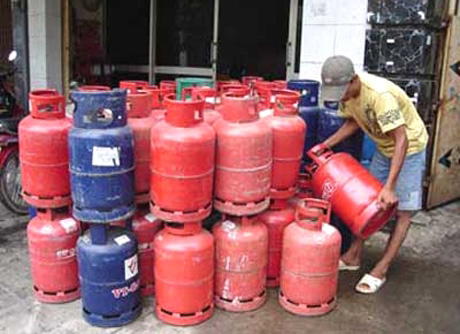
Nigeria's Gas Supply: Domestic Market Receives 41.3% Amid Rising LPG Prices
Nigeria's domestic gas market accounted for 41.3% of the country's total gas supply, averaging 2.04 billion cubic feet per day in the first ten months of 2026, according to a new report. The Nigerian Midstream and Downstream Petroleum Regulatory Authority highlights the need to enhance domestic market attractiveness as LPG prices surge by 12.5% to N1,800 per kg.

Nigeria Partners with Valmont to Enhance Agricultural Irrigation Infrastructure
Nigeria has entered into a memorandum of understanding with Valmont Industries, the world's leading pivot irrigation manufacturer, to propel its 'Irrigate Nigeria Programme'. This collaboration aims to establish advanced irrigation systems and a local manufacturing facility for irrigation equipment, promoting agricultural sustainability in the country.

Nigeria's Absence at COP31 Closing Plenary Sparks Concerns Over Climate Commitment
Nigeria's absence at the closing plenary of COP31, the longest climate summit in history, raises questions about its commitment to global climate action. Critics argue that this development reflects poorly on Nigeria's role in addressing pressing climate issues.