

Harnessing Institutional Wisdom: The Role of CORFEPS in Nigeria's Governance Transformation
The Council of Retired Federal Permanent Secretaries (CORFEPS) stands as a pivotal body in Nigeria's civil service reform, leveraging the vast experiences of its members to influence governance and public administration. With a focus on revitalizing the professional ethos within the civil service, CORFEPS aims to ensure that the knowledge and memories of retired public servants continue to serve the nation’s development needs.
The Abuja Times
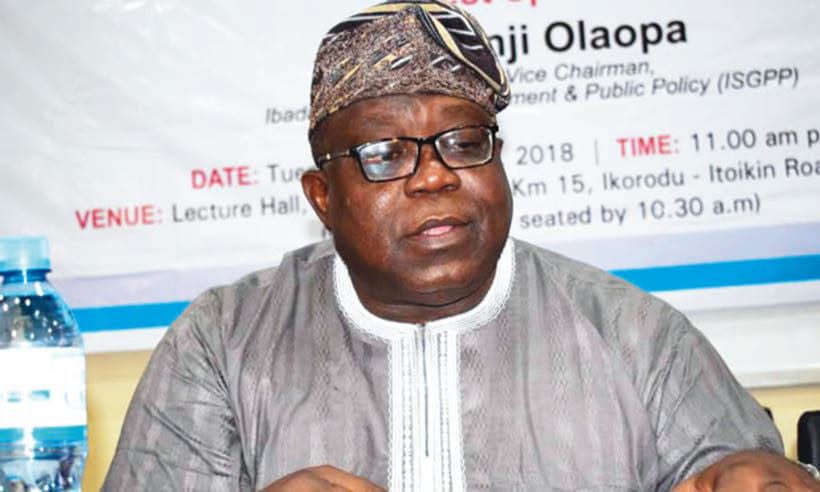
The Council of Retired Federal Permanent Secretaries (CORFEPS) has emerged as a crucial player in Nigeria's political landscape, particularly as the nation navigates the complexities of governance reform. This association of former public servants brings together a wealth of administrative experience and institutional memory, serving as a bridge between the historical context of the civil service and the contemporary challenges it faces under the current Tinubu administration.
Under the leadership of Mahmud Yayale Ahmed, CORFEPS has actively engaged in discussions aimed at revitalizing the civil service's role in national development. The organization champions the idea that retirement does not signify the end of public service; rather, it presents an opportunity for retired officials to contribute meaningfully to the nation’s governance architecture. This perspective is vital as Nigeria seeks to align its civil service with democratic imperatives and the pressing demands of a changing political environment.
As a multidisciplinary body, CORFEPS possesses the unique capability to connect various aspects of governance and reform. The insights derived from its members' extensive careers in public administration are invaluable, particularly in identifying the trajectory of the civil service—from its historical foundations to its current state and future aspirations. This comprehensive understanding of the system is critical for implementing effective reforms that can enhance the civil service's significance in Nigeria's development process.
“Patriotic and meritorious service does not need to end with retirement. More can still be done in entrenching the institutional memories that retired permanent secretaries embody,” stated Tunji Olaopa, emphasizing the continued relevance of experienced public servants.
The ongoing initiatives by CORFEPS serve as a reminder of the importance of institutional memory in shaping effective public policy and governance strategies. By leveraging the knowledge and experiences of its members, CORFEPS aims to foster a civil service that is not only responsive to current challenges but also proactive in anticipating future needs. This commitment positions CORFEPS as a vital stakeholder in Nigeria's public administration landscape, ensuring that the lessons of the past inform the governance practices of the future.
Share this article with your network
Broadcast directly to WhatsApp communities and news circles.
The Abuja Morning Dispatch
Get the capital's most important political investigations, cabinet decisions, and economic intelligence delivered to your inbox every morning.
About The Abuja Times
Super Admin & Lead Director
Related Dispatches in News

Nigerian Environmentalist Critiques COP31 Collapse, Blames Oil Producers for Climate Inaction
The recent collapse of COP31 has drawn sharp criticism from a prominent Nigerian environmentalist, who argues that oil-producing nations are undermining global climate initiatives. As vulnerable nations grapple with the fallout of climate disasters, calls for accountability from the fossil fuel industry grow louder.

Kano Governor Reveals Reasons Behind Kwankwaso's Absence from APC Join-Up
Kano State Governor Abba Yusuf has clarified that Rabiu Kwankwaso's public statements were pivotal in preventing him from leading his supporters into the All Progressives Congress (APC). This revelation sheds light on the complex dynamics within Kano's political landscape.

Opposition Unity at Risk as Atiku, Obi, and Makinde Pursue Presidential Aspirations
The quest for a unified opposition front against President Tinubu intensifies as key figures Atiku Abubakar, Peter Obi, and Seyi Makinde assert their presidential ambitions, raising concerns about the viability of a collaborative candidate selection process. Internal disputes and competing interests could undermine the effectiveness of the opposition alliance ahead of the upcoming elections.