

King Jaja's Legacy: A Call for Economic Agency in Modern Nigeria
As Nigeria faces escalating challenges, the legacy of King Jaja of Opobo offers valuable lessons in economic independence and resource management. With the upcoming coronation of King Charles Douglas MacPepple Jaja, the discussion around Jaja's strategic vision becomes increasingly relevant in addressing the nation's current socio-economic struggles.
The Abuja Times

In a time of diplomatic pressures and economic uncertainty, the historical figure of King Jaja of Opobo emerges as a beacon for contemporary Nigeria. The question of how Jaja would navigate today's complex landscape—marked by social tension and resource disputes—invites us to reflect on his legacy and its implications for national self-determination. As the Opobo Kingdom prepares for the coronation of His Majesty, King Charles Douglas MacPepple Jaja, Jeki VI, in September 2026, the discourse surrounding economic agency is more pertinent than ever.
King Jaja’s rise to prominence was not merely a product of his time; it was a masterclass in understanding the dynamics of power and commerce. He recognized that palm oil was not just a lucrative commodity but a cornerstone of a broader political economy. By controlling trade routes and forging strategic alliances, Jaja wielded significant influence over both local and international markets, resisting colonial encroachments that sought to undermine African autonomy. His story serves as a reminder that true economic engagement requires not surrender but a robust assertion of agency.
Today, as Nigeria grapples with how to convert its abundant resources into tangible prosperity, Jaja's example resonates deeply. His adeptness at leveraging adversity into opportunity provides a roadmap for current and future leaders. The essence of his legacy challenges modern Nigerian leaders to adopt a strategic audacity that prioritizes economic independence and institutional integrity, ensuring that the nation can thrive amidst global challenges.
“Engagement must not become surrender,” Jaja’s historical stance reminds us, urging a renewed commitment to building a Nigeria that is not only rich in resources but also rich in resilience and self-governance.
As we honor King Jaja's contributions, it is imperative to ask what his legacy demands of Nigeria today. The ongoing discourse surrounding his life and the upcoming royal coronation presents an opportunity for a collective reflection on how Nigeria can harness its historical lessons to forge a path towards a more economically self-sufficient future.
Share this article with your network
Broadcast directly to WhatsApp communities and news circles.
The Abuja Morning Dispatch
Get the capital's most important political investigations, cabinet decisions, and economic intelligence delivered to your inbox every morning.
About The Abuja Times
Super Admin & Lead Director
Related Dispatches in News

Lagos State Issues Urgent Warning Over Adulterated Palm Oil in Markets
The Lagos State Consumer Protection Agency has raised a red flag regarding the alarming rise of adulterated palm oil in local markets, urging residents to exercise caution. This warning follows expert insights at a recent food safety conference highlighting the risks associated with contaminated palm oil.
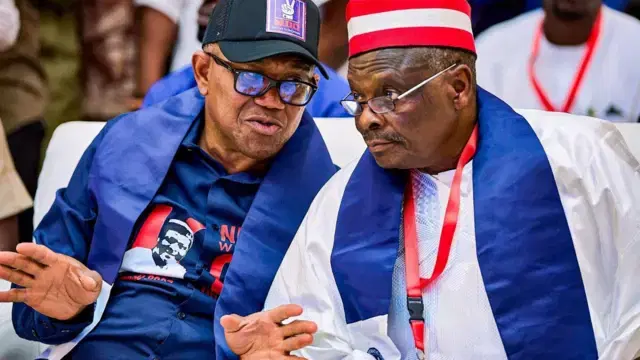
NDC Prepares to Launch Presidential Campaign with Key Appointments by Obi and Kwankwaso
The Nigeria Democratic Congress (NDC) is set to inaugurate its Presidential Campaign Council, empowering candidates Peter Obi and Rabiu Musa Kwankwaso to make crucial nominations. This strategic move is part of the party's efforts to enhance transparency and compliance with electoral regulations.

Renewed Banditry Challenges Peace Efforts in Sokoto and Katsina States
Recent attacks and abductions in Sokoto and Katsina are undermining local peace initiatives and ongoing military operations aimed at restoring security in these regions. The resurgence of violence highlights the persistent threat posed by banditry despite previous agreements and interventions.