

Lagos State Plans Establishment of Up to 100 Food Processing Plants to Enhance Local Agriculture
In a strategic move to bolster local agriculture, the Lagos State Government aims to set up between 50 and 100 small food-processing plants near its new logistics hub. Governor Babajide Sanwo-Olu announced this initiative during a recent business breakfast, emphasizing the importance of adding value to agricultural products and improving the state's food supply chain.
The Abuja Times

The Lagos State Government is embarking on an ambitious plan to establish a network of small food-processing plants in proximity to its proposed food systems and logistics hub. Governor Babajide Sanwo-Olu revealed that the initiative aims to set up between 50 and 100 processing plants, which will significantly enhance local agricultural production by adding value and strengthening the food supply chain across the state.
Speaking at the Executive Business Breakfast organized by the Nigerian-British Chamber of Commerce, Governor Sanwo-Olu highlighted the strategic importance of this venture. He noted that the processing plants will not only facilitate the storage and distribution of food but will also allow for local processing of agricultural produce sourced from various regions of Nigeria. This integrated approach is designed to ensure that food commodities are efficiently processed within the state, thereby creating additional economic opportunities.
“The second part of that logistics hub is that it’s also going to feed about 50 to 100 small food processing plants,” Sanwo-Olu stated. He further elaborated on the government's commitment, mentioning that provisions for processing facilities have already been included in the master plan for the hub, which encompasses a substantial area of approximately 1,000 hectares. This expansive layout will accommodate various processing mills that can enhance value addition to agricultural products.
The logistics hub is envisioned to serve as a central point for receiving agricultural produce from across Nigeria. It will feature state-of-the-art facilities, including cold and dry storage, silos, and a large trailer park to facilitate efficient movement and distribution of food products. By fostering local processing capabilities, Lagos aims to ensure a more resilient food supply chain that benefits both producers and consumers alike.
Share this article with your network
Broadcast directly to WhatsApp communities and news circles.
The Abuja Morning Dispatch
Get the capital's most important political investigations, cabinet decisions, and economic intelligence delivered to your inbox every morning.
About The Abuja Times
Super Admin & Lead Director
Related Dispatches in Business
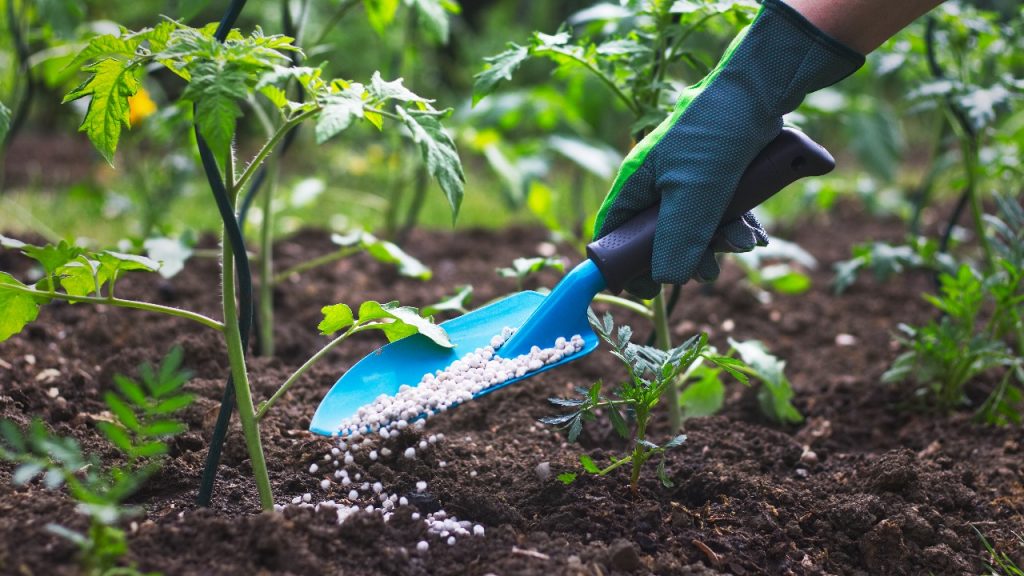
Agricultural Experts Advocate for Soil-Specific Fertiliser Strategies to Enhance Crop Yields
At the 2026 Nigeria Fertiliser Summit, agricultural specialists emphasized the importance of tailoring fertiliser applications to specific soil conditions, warning against generic fertiliser use that could lead to inefficiencies. The summit highlighted significant variations in phosphorus needs for staple crops like maize and rice across different regions of Nigeria.

Enugu State Reports Lowest Tax Revenue-to-IGR Ratio in Nigeria
Recent data from the National Bureau of Statistics reveals that Enugu State's tax revenue accounts for a mere 12.67% of its internally generated revenue for 2025, highlighting a significant reliance on non-tax sources. This statistic raises concerns about the state's fiscal health and the sustainability of its revenue generation strategies.

Pepsi Launches Agba Baller Promo with ₦800 Million Cash Prizes Across Eight States
Pepsi's Agba Baller Promo offers consumers in eight Nigerian states the chance to win cash prizes every minute, totaling ₦800 million until January 3, 2027. The promotion aims to engage and reward customers while enhancing brand loyalty in the competitive beverage market.