

Lessons from Trump's Midterm Setback: Insights for Nigeria
The recent midterm elections in the United States have provided a crucial lesson on political accountability and electoral dynamics that can resonate with Nigerian politics. As Donald Trump faced a significant defeat, his reaction highlights the importance of accepting electoral outcomes and the consequences of political messaging.
The Abuja Times
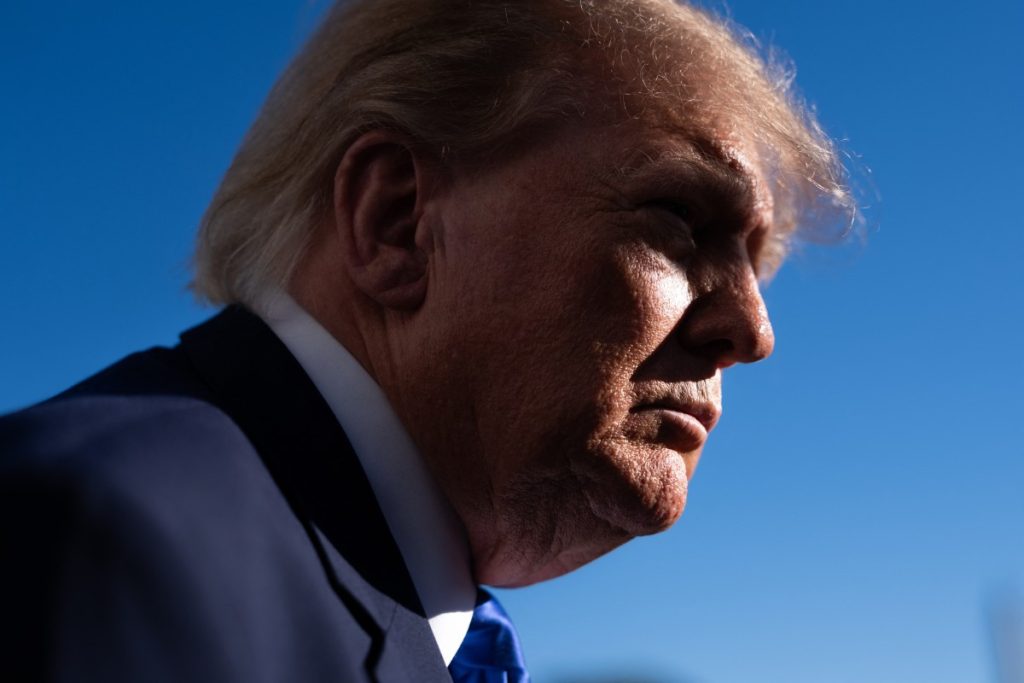
The midterm elections in the United States have served as a striking reminder of the intricate relationship between political messaging and electoral outcomes. Donald Trump, who sought to make the elections a referendum on his presidency, found himself facing a substantial setback as the Democratic Party regained control of both chambers of Congress. His insistence that voters treat the election as a judgment on his leadership backfired, culminating in a defeat that he appeared reluctant to accept.
In a post-election statement on his Truth Social platform, Trump attempted to distance himself from the results, claiming, "I wasn’t on the ballot and if I was, we would have won IN A LANDSLIDE!" This statement underscores a critical aspect of political leadership: the necessity of accountability. When the electorate delivers an unfavorable verdict, leaders must confront the reality of their political capital rather than evade responsibility.
For Nigeria, the implications of this electoral drama are profound. As the nation prepares for its own elections, the lesson is clear: political leaders must carefully consider their messaging and the expectations they set for their constituents. The electorate's decision is not merely a reflection of individual leaders but rather a broader assessment of party ideology and governance. Acknowledging electoral outcomes, whether favorable or not, is essential for political integrity and public trust.
The American midterm elections also serve to highlight the significance of voter engagement and the impact of grassroots movements. In Nigeria, as citizens prepare to exercise their rights at the polls, the importance of informed voting and civic participation cannot be overstated. Lessons from the U.S. should inspire Nigerian leaders and voters alike to embrace accountability and encourage a political culture that values the voice of the people.
Share this article with your network
Broadcast directly to WhatsApp communities and news circles.
The Abuja Morning Dispatch
Get the capital's most important political investigations, cabinet decisions, and economic intelligence delivered to your inbox every morning.
About The Abuja Times
Super Admin & Lead Director
Related Dispatches in News

Nigerian Environmentalist Critiques COP31 Collapse, Blames Oil Producers for Climate Inaction
The recent collapse of COP31 has drawn sharp criticism from a prominent Nigerian environmentalist, who argues that oil-producing nations are undermining global climate initiatives. As vulnerable nations grapple with the fallout of climate disasters, calls for accountability from the fossil fuel industry grow louder.

Kano Governor Reveals Reasons Behind Kwankwaso's Absence from APC Join-Up
Kano State Governor Abba Yusuf has clarified that Rabiu Kwankwaso's public statements were pivotal in preventing him from leading his supporters into the All Progressives Congress (APC). This revelation sheds light on the complex dynamics within Kano's political landscape.

Opposition Unity at Risk as Atiku, Obi, and Makinde Pursue Presidential Aspirations
The quest for a unified opposition front against President Tinubu intensifies as key figures Atiku Abubakar, Peter Obi, and Seyi Makinde assert their presidential ambitions, raising concerns about the viability of a collaborative candidate selection process. Internal disputes and competing interests could undermine the effectiveness of the opposition alliance ahead of the upcoming elections.