

Malian Women Challenge Resurgence of Female Genital Mutilation Support
In Mali, a controversial online campaign promoting female genital mutilation (FGM) has sparked fierce opposition from women advocating for the rights and protection of girls. Despite the practice remaining legal, activists are calling for its abolition and highlighting the harmful impacts it has on women's health and autonomy.
The Abuja Times

In a significant pushback against a newly surfaced online campaign that supports female genital mutilation (FGM) in Mali, local women are raising their voices against what they describe as an infringement on the rights of girls. The campaign, which frames FGM as a protective measure for young girls, has reignited a heated debate in a country where the practice remains legal and culturally entrenched.
Malian women, many of whom have experienced the repercussions of FGM firsthand, are mobilizing to challenge these narratives. They assert that rather than safeguarding girls, FGM subjects them to long-term health risks and psychological trauma. "This practice does not protect us; it harms us, and we must educate our communities about its dangers," stated Fatoumata, a local activist.
The resurgence of support for FGM comes at a time when global movements against the practice are gaining momentum, emphasizing the need for comprehensive education and legal reforms. Women’s rights groups in Mali are advocating for the government to take a firmer stance against FGM, aligning with international calls for its eradication. They argue that empowering women through education and healthcare is a far more effective means of protection than resorting to harmful traditional practices.
“We will not stand by and let our daughters suffer the same fate as us. It’s time for change,” declared Mariam, a leader in the fight against FGM.
The debate over FGM in Mali reflects broader societal tensions between tradition and modernity, as well as the struggle for women’s rights in a region where cultural practices often overshadow legislative efforts. As Malian women continue to resist the narrative pushed by the online campaign, they are joined by international allies who are committed to ending FGM and fostering a future where girls can thrive free from harm.
Share this article with your network
Broadcast directly to WhatsApp communities and news circles.
The Abuja Morning Dispatch
Get the capital's most important political investigations, cabinet decisions, and economic intelligence delivered to your inbox every morning.
About The Abuja Times
Super Admin & Lead Director
Related Dispatches in Lifestyle & Culture

Natasha Osawaru Posts Heartwarming Photo of Son with 2Baba Amidst Marital Challenges
In a touching display of motherhood, Natasha Osawaru has shared a new photo of her son with renowned Nigerian musician 2Baba, as the couple navigates a turbulent phase in their marriage. The image, which surfaced online, highlights their bond during a time marked by public scrutiny and personal challenges.
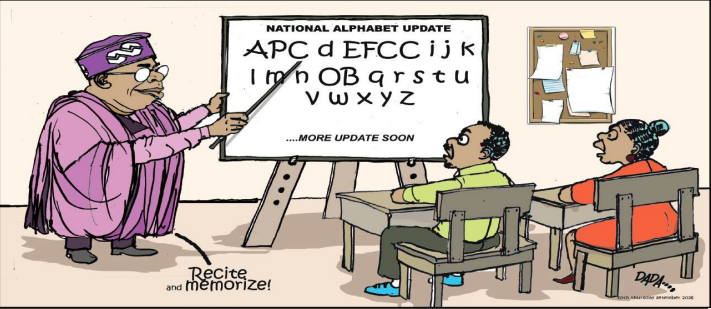
A Humorous Take on Learning: The Lesson of Repeating Class
A recent cartoon cleverly illustrates the age-old adage that failure in education often leads to the necessity of repetition, highlighting the importance of resilience and learning from mistakes.

Evaluating the Impact of Mass Weddings as a Social Policy in Nigeria
The effectiveness of mass weddings as a social policy hinges on their long-term benefits for beneficiaries, raising critical questions about public investment in marriage. As Nigeria explores this initiative, the focus must shift to whether these ceremonies offer more substantial support for households compared to other social investments.