

Navigating Change: Africa's Strategic Response to the New Arctic Shipping Era
As the Northern Sea Route opens up new shipping lanes, African ports face potential sidelining; however, this shift in global trade patterns could also present unique opportunities for the continent. Strengthening maritime and logistics networks will be crucial for Africa to adapt and thrive in this evolving landscape.
The Abuja Times

The emergence of the Northern Sea Route as a viable shipping corridor poses both challenges and opportunities for Africa’s maritime industry. This Arctic passage, which has gained prominence due to melting ice caps, could potentially divert significant shipping traffic away from traditional trade routes that pass through African ports. Consequently, the continent must assess its position within the global logistics framework and adapt accordingly.
While the prospect of reduced cargo traffic to African ports raises alarms, it simultaneously opens doors for innovation and development in maritime logistics across the continent. African nations have the chance to leverage this shift to enhance their shipping capabilities, improve infrastructure, and attract investment in logistics networks that can compete on a global scale. As trade patterns evolve, there is a pressing need for African countries to enhance their maritime policies and foster collaborations that can bolster their competitiveness.
"The Northern Sea Route could sideline African ports, but shifting trade patterns present opportunities to strengthen maritime and logistics networks," said a logistics expert.
Investment in technology and infrastructure will be paramount. By modernizing ports and improving connectivity to inland markets, African nations can ensure that they remain integral players in the global supply chain. Additionally, embracing digital technologies and innovations in shipping operations may further enhance efficiency and reliability, positioning Africa as a formidable competitor in the maritime sector.
Ultimately, the new Arctic shipping era presents a pivotal moment for Africa. The continent's ability to adapt to these changes will determine its role in the future of global trade. By strategically responding to the challenges posed by the Northern Sea Route and seizing the opportunities it presents, Africa can secure its place in the global economy.
Share this article with your network
Broadcast directly to WhatsApp communities and news circles.
The Abuja Morning Dispatch
Get the capital's most important political investigations, cabinet decisions, and economic intelligence delivered to your inbox every morning.
About The Abuja Times
Super Admin & Lead Director
Related Dispatches in Business
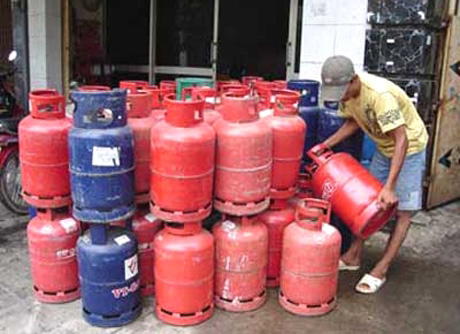
Nigeria's Gas Supply: Domestic Market Receives 41.3% Amid Rising LPG Prices
Nigeria's domestic gas market accounted for 41.3% of the country's total gas supply, averaging 2.04 billion cubic feet per day in the first ten months of 2026, according to a new report. The Nigerian Midstream and Downstream Petroleum Regulatory Authority highlights the need to enhance domestic market attractiveness as LPG prices surge by 12.5% to N1,800 per kg.

Nigeria Partners with Valmont to Enhance Agricultural Irrigation Infrastructure
Nigeria has entered into a memorandum of understanding with Valmont Industries, the world's leading pivot irrigation manufacturer, to propel its 'Irrigate Nigeria Programme'. This collaboration aims to establish advanced irrigation systems and a local manufacturing facility for irrigation equipment, promoting agricultural sustainability in the country.

Nigeria's Absence at COP31 Closing Plenary Sparks Concerns Over Climate Commitment
Nigeria's absence at the closing plenary of COP31, the longest climate summit in history, raises questions about its commitment to global climate action. Critics argue that this development reflects poorly on Nigeria's role in addressing pressing climate issues.