

Navigating Lagos: The Impact of Interlocking Blocks on Traffic Congestion
The recent surge in traffic congestion on Victoria Island has brought attention to ongoing road construction efforts utilizing interlocking concrete block pavements. This method aims to provide a long-lasting solution to the city's notorious gridlocks, particularly in waterlogged areas.
The Abuja Times
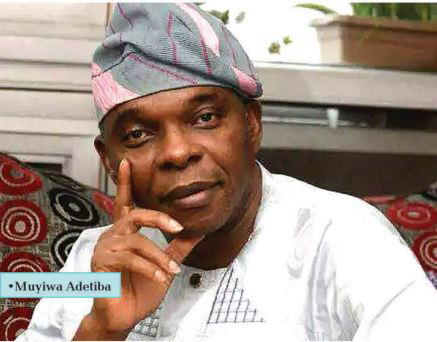
In recent weeks, the traffic situation on Victoria Island has reached unprecedented levels, leaving commuters frustrated and exhausted. One particularly alarming account involved an 85-year-old man who faced a three-hour ordeal traveling a distance that would typically take just 10 to 15 minutes. His experience underscores the gravity of the situation as roadworks on the Ozumba Mbadiwe stretch have exacerbated delays, prompting many to question the effectiveness of current infrastructure solutions.
The Lagos State government has opted for a more durable approach to road construction by implementing interlocking concrete block pavements (ICBP) in areas prone to flooding and heavy vehicular traffic. Unlike traditional methods that rely on mortar or adhesives, interlocking blocks work collectively to distribute loads, which could potentially enhance the longevity of road surfaces subjected to the city's demanding conditions.
Advocates for this method argue that it not only alleviates immediate traffic concerns but also presents a sustainable option for future urban planning. However, there are concerns regarding maintenance, as dislodged blocks can pose hazards to motorists and pedestrians alike. As the city grapples with the challenges of urbanization, the successful implementation of ICBP may serve as a pivotal test case for other regions facing similar infrastructural issues.
“The strength of interlocking blocks lies in their collective nature, much like a broom; however, they are equally vulnerable when not properly maintained,” remarked an urban planning expert.
As Lagos continues to evolve, the effectiveness of ICBP will be closely monitored. While the current traffic nightmare may be temporarily alleviated, the long-term success of this approach will depend on ongoing maintenance and the city's ability to adapt to its rapidly growing population and infrastructure demands.
Share this article with your network
Broadcast directly to WhatsApp communities and news circles.
The Abuja Morning Dispatch
Get the capital's most important political investigations, cabinet decisions, and economic intelligence delivered to your inbox every morning.
About The Abuja Times
Super Admin & Lead Director
Related Dispatches in News

Electoral Landscape Shifts Ahead of 2027 Presidential Election: Voter Sentiments Revealed
As Nigeria gears up for the 2027 general elections, voters express diverse opinions on the candidates, highlighting a split between support for President Tinubu, Obi's reform message, and Atiku's promises. The electorate's expectations reflect a desire for bold leadership amid ongoing economic challenges.
Tinubu's Complex Relationship with the Igbo: A Reflection on Political Promises and Reality
As President Bola Ahmed Tinubu navigates his tenure, the dynamics between his administration and the South-East region remain fraught with challenges and mixed signals. The initial warning of 'bread soaked in water' resonates deeply as the Igbo community grapples with their representation in the current political landscape.

Obi Calls for Change: Tinubu Must Be Voted Out in 2027 for Nigeria's Progress
Peter Obi, the presidential candidate of the Nigeria Democratic Congress, asserts that President Bola Tinubu must be removed from office in the upcoming 2027 elections due to unfulfilled promises and rising poverty. He emphasizes the need for a government that prioritizes national unity and economic transformation.