

Navigating Opportunities and Risks: Nigeria's Bangkok Roadshow Insights
Reflecting on experiences from Bangkok, a city of stark contrasts, the opportunity for growth in Nigeria emerges alongside significant pricing risks. This analysis highlights the delicate balance between seizing potential and managing challenges in the Nigerian landscape.
The Abuja Times

In July 2007, I found myself immersed in the vibrant chaos of Bangkok during the second session of the Conference of the Parties to the Framework Convention on Tobacco Control. The city, a tapestry of contradictions, left a lasting impression on me: its juxtaposition of squalor against opulence, disorder meeting beauty, and the old world entwined with the new. Such experiences provide a compelling metaphor for Nigeria's current economic and investment climate.
Nigeria, much like Bangkok, is at a crossroads, teeming with opportunities yet fraught with challenges that can deter potential investors. The allure of the market is undeniable, with a burgeoning population and a wealth of natural resources, but the realities of pricing risks and economic volatility loom large. Investors must navigate these waters cautiously, weighing the potential for high returns against the backdrop of fluctuating market conditions.
As Nigeria continues to showcase its potential through various roadshows, the key message must be to communicate not only the opportunities but also the inherent risks involved. The delicate balance between optimism and caution is crucial; stakeholders must be equipped to make informed decisions that consider both the immediate and long-term implications of their investments.
“In a world of economic uncertainty, understanding the landscape is paramount for both investors and policymakers,” says Adeola Akinremi. “Navigating these complexities will determine Nigeria's success in attracting sustainable foreign investments.”
Ultimately, drawing lessons from Bangkok, Nigeria's path forward requires a nuanced approach to presenting its opportunities. By acknowledging the risks while emphasizing the potential rewards, the nation can foster a more resilient investment environment that appeals to both local and international stakeholders.
Share this article with your network
Broadcast directly to WhatsApp communities and news circles.
The Abuja Morning Dispatch
Get the capital's most important political investigations, cabinet decisions, and economic intelligence delivered to your inbox every morning.
About The Abuja Times
Super Admin & Lead Director
Related Dispatches in Business

Federal Government's N1 Trillion Housing Initiative Faces Key Challenges in Addressing Housing Deficit
Despite the disbursement of over N150 billion in mortgages, Nigeria's housing deficit remains staggering at approximately 14.9 million units. The success of the Federal Government's N1 trillion housing fund hinges on its ability to convert financial resources into accessible homes for citizens.
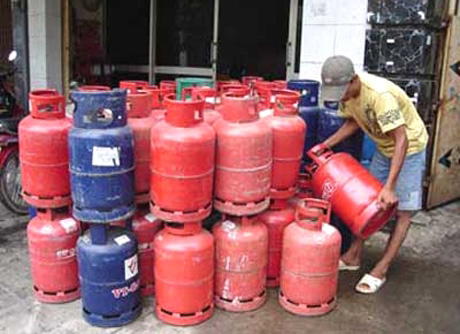
Nigeria's Gas Supply: Domestic Market Receives 41.3% Amid Rising LPG Prices
Nigeria's domestic gas market accounted for 41.3% of the country's total gas supply, averaging 2.04 billion cubic feet per day in the first ten months of 2026, according to a new report. The Nigerian Midstream and Downstream Petroleum Regulatory Authority highlights the need to enhance domestic market attractiveness as LPG prices surge by 12.5% to N1,800 per kg.

Nigeria Partners with Valmont to Enhance Agricultural Irrigation Infrastructure
Nigeria has entered into a memorandum of understanding with Valmont Industries, the world's leading pivot irrigation manufacturer, to propel its 'Irrigate Nigeria Programme'. This collaboration aims to establish advanced irrigation systems and a local manufacturing facility for irrigation equipment, promoting agricultural sustainability in the country.