

Nigeria Faces Acute Shortage of Occupational Therapists as Exodus Intensifies
The departure of 80% of trained occupational therapists from Nigeria exacerbates the country's rehabilitation crisis, leaving millions without essential services. With only a handful of practitioners remaining, health institutions struggle to meet the needs of patients across the nation.
The Abuja Times
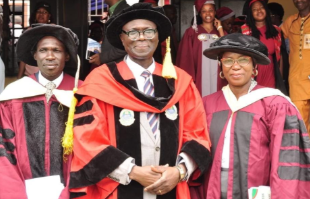
Nigeria is grappling with a severe shortage of occupational therapists, as alarming reports indicate that approximately 80% of those trained in the country are leaving for better opportunities abroad. This mass exodus has dire implications for access to rehabilitation services for the country’s over 200 million citizens. During the recent combined convocation of the Federal School of Occupational Therapy (FSOT) in Lagos, Acting Registrar Mrs. Philomena Omoike highlighted the critical state of the profession, noting that only 93 new graduates were added to an already dwindling workforce.
According to Omoike, the shortage of occupational therapists is so profound that major health institutions are struggling to provide adequate therapy services. In the northern region of Nigeria, the situation is particularly dire, with fewer than five registered occupational therapists and occupational therapy assistants available to serve the population. “The shortage is very severe. Nigeria is facing an acute shortage of occupational therapists,” Omoike stated, emphasizing the challenges faced by hospitals nationwide in maintaining adequate therapy services.
The statistics paint a grim picture: over the past 24 years, FSOT has trained around 900 occupational therapists, yet a staggering 80% have either emigrated or pursued further studies abroad. Currently, the Medical Rehabilitation Therapists Registration Board of Nigeria lists only about 160 registered occupational therapists, and not all of them are actively practicing within the country. In psychiatric settings, for instance, there are merely five occupational therapy assistants and four occupational therapists available, severely limiting the support for patients in need.
This crisis not only affects healthcare delivery but also raises concerns about the future of rehabilitation services in Nigeria. As the country continues to face rising health challenges, the lack of qualified occupational therapists could hinder recovery and rehabilitation efforts for countless individuals. Stakeholders in the health sector must urgently address this issue to prevent further deterioration of occupational therapy services and ensure that citizens receive the care they desperately need.
Share this article with your network
Broadcast directly to WhatsApp communities and news circles.
The Abuja Morning Dispatch
Get the capital's most important political investigations, cabinet decisions, and economic intelligence delivered to your inbox every morning.
About The Abuja Times
Super Admin & Lead Director
Related Dispatches in Science & Tech

Nigerian Hospitals Pioneer Tele-Robotic Surgery to Combat Cancer
In a groundbreaking initiative, Nigerian hospitals have successfully conducted a tele-robotic surgery to remove a cancerous kidney, showcasing the potential of advanced medical technology in the fight against cancer. This revolutionary procedure marks a significant milestone in Nigerian healthcare, promising enhanced surgical capabilities and improved patient outcomes.

WHO Calls for Enhanced Care Standards for Noncommunicable Diseases
The World Health Organization emphasizes the urgent need for improved healthcare practices for individuals suffering from noncommunicable diseases (NCDs), which include diabetes, cancer, and heart diseases. This call to action highlights the importance of safer care protocols to better manage these chronic conditions.

Infinix GT 50 Pro Sets New Standard with Innovative Liquid Cooling Technology
The Infinix GT 50 Pro introduces a revolutionary HydroFlow Liquid Cooling System, which is primarily used in AI data centers, now integrated into a smartphone. This advancement allows for unparalleled performance by efficiently managing heat during intensive usage.