

Nigerian Companies Face N21.3 Trillion Debt Exposure Amid Financial Strain
A recent analysis reveals that 22 firms listed on the Nigerian Exchange Limited are grappling with a staggering N21.3 trillion in debt, raising concerns over their financial sustainability. With many exhibiting high debt-to-equity ratios, the implications for investor confidence and shareholder returns could be significant.
The Abuja Times
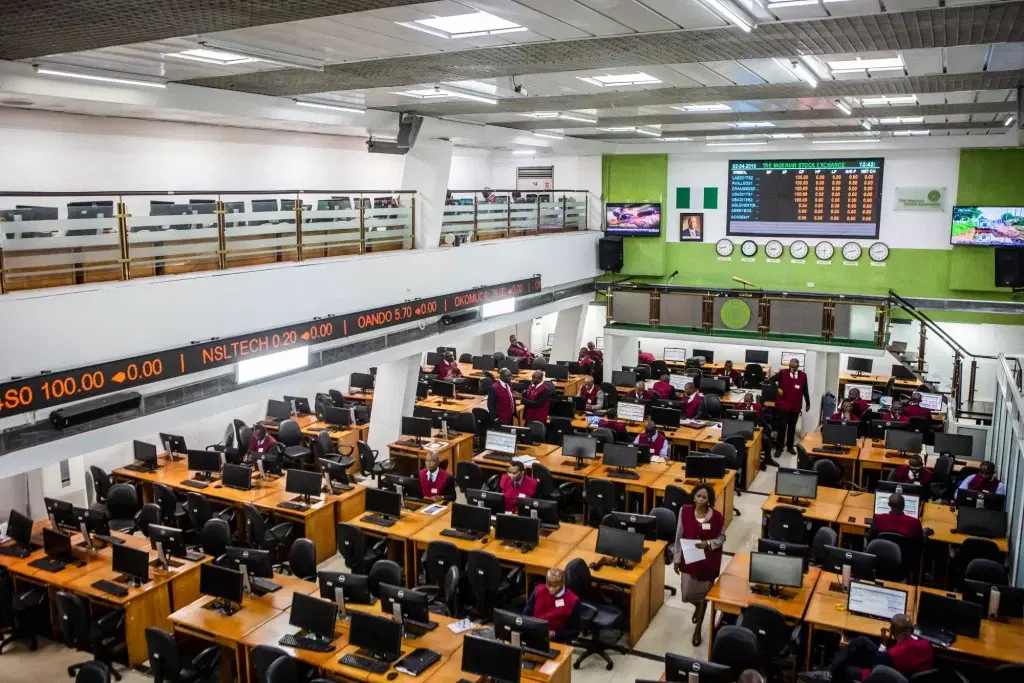
In a concerning financial landscape, 22 companies listed on the Nigerian Exchange Limited (NGX) are currently burdened with a collective debt of N21.3 trillion as of the second quarter of 2026. This substantial debt load highlights the increasing reliance on borrowed funds to support operations and drive profitability amidst economic challenges.
Among these firms, 11 are reported to have debt-to-equity ratios exceeding 2.0, indicating a heavy dependence on leverage. The implications of such ratios raise alarms about potential cash-flow pressures, escalating interest costs, and the overall impact on shareholder returns. Notable companies in this precarious position include VFD Group, United Capital, UACN, and TotalEnergies Marketing Nigeria, among others.
FTN Cocoa Processors leads the pack with the highest debt-to-equity ratio at an alarming 28.61, followed by SCOA Nigeria at 14.37 and United Capital at 6.52. Other firms with ratios above 2.0 include Nestlé Nigeria (5.74), Fortis Global Insurance (4.66), and MTN Nigeria (2.98). These figures underscore the varying degrees of financial risk faced by these companies as they navigate a challenging economic environment.
“The debt-to-equity ratio serves as a crucial indicator of a company's financial health and its reliance on debt to fund operations,” noted an industry expert. “Investors must remain vigilant as these ratios can signal underlying financial stress.”
As these companies work to manage their debt levels, the implications for the broader market and investor confidence remain a critical concern. Stakeholders will be closely watching how these firms strategize to mitigate risks and ensure sustainable growth in the face of mounting financial obligations.
Share this article with your network
Broadcast directly to WhatsApp communities and news circles.
The Abuja Morning Dispatch
Get the capital's most important political investigations, cabinet decisions, and economic intelligence delivered to your inbox every morning.
About The Abuja Times
Super Admin & Lead Director
Related Dispatches in Business
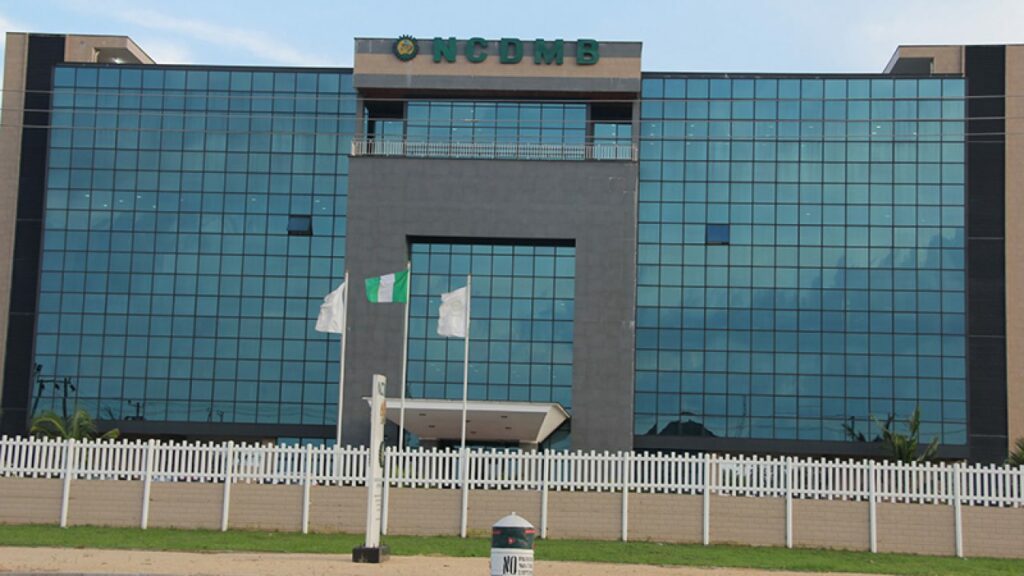
NCDMB's Strategic Role in Advancing Tinubu's Economic Vision
Since his appointment, Engr. Felix Ogbe has transformed the NCDMB into a pivotal force in Nigeria's economic reform agenda under President Tinubu. By prioritizing local content, the Board aims to boost domestic production and reduce reliance on imports.

Ogun Deep Sea Port Construction Set to Commence in November, Announces Governor Abiodun
Governor Dapo Abiodun has confirmed that construction for the Ogun Deep Sea Port will officially start in November, following a groundbreaking ceremony. The ambitious project aims for substantial completion within two and a half years, enhancing Nigeria's maritime capabilities.

Nigeria Aims for 70% Local Production of Essential Medicines by 2030
The Nigerian government has set an ambitious target to achieve 70% local production of essential medicines by the year 2030, as announced by the Minister of State for Health and Social Welfare, Iziaq Salako. This initiative was unveiled during the opening of the 8th Nigeria Pharma Manufacturers Expo in Lagos, highlighting the country's commitment to enhancing its pharmaceutical manufacturing capabilities.