

Nigerians Face Economic Strain as Fuel Prices Surge Again
The recent announcement of a 6.7% increase in petrol and diesel prices by Dangote Petroleum Refinery is set to exacerbate economic challenges for Nigerians. As crude oil prices continue to climb, consumers can expect a ripple effect on living costs across the country.
The Abuja Times
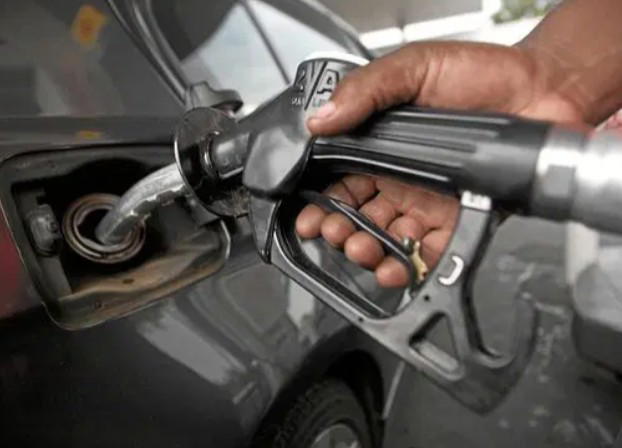
Nigerians are bracing for a new wave of economic hardship as fuel prices surge once again, with Dangote Petroleum Refinery notifying customers of a 6.7% increase in the price of Premium Motor Spirit (PMS), commonly known as petrol. Effective September 12, 2026, the price will rise from N1,265 to N1,350 per litre, a development that analysts warn could further inflate the cost of living in the country.
The refinery's memo to its customers outlined the revised pricing structure and instructed those with current loading arrangements to return their Automated Truck Certificates (ATCs) for repricing, indicating an adjustment in supply logistics. This price hike comes on the heels of rising crude oil costs, with the latest Energy Bulletin reporting Brent crude averaging $98.74 per barrel and Bonny Light at $104.65.
As fuel marketers scramble to adjust their pricing strategies, industry experts anticipate that the increased acquisition costs will inevitably lead to higher pump prices across the nation. This situation poses significant challenges for average Nigerians, who are already grappling with the financial burden of inflation and escalated transportation costs.
“With the current trajectory of oil prices, the impact on the economy will be profound, affecting everything from transportation to food prices,” said an industry analyst.
The ripple effects of this increase are likely to be felt most acutely in Abuja and other northern cities, where the cost of supplying petroleum products is already strained by logistics challenges. As Nigerians prepare for the implications of this latest fuel price adjustment, the need for effective policy responses to mitigate economic strain becomes increasingly urgent.
Share this article with your network
Broadcast directly to WhatsApp communities and news circles.
The Abuja Morning Dispatch
Get the capital's most important political investigations, cabinet decisions, and economic intelligence delivered to your inbox every morning.
About The Abuja Times
Super Admin & Lead Director
Related Dispatches in Business
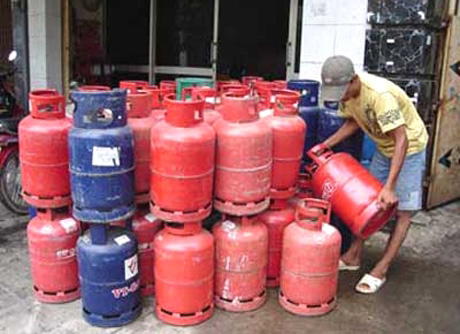
Nigeria's Gas Supply: Domestic Market Receives 41.3% Amid Rising LPG Prices
Nigeria's domestic gas market accounted for 41.3% of the country's total gas supply, averaging 2.04 billion cubic feet per day in the first ten months of 2026, according to a new report. The Nigerian Midstream and Downstream Petroleum Regulatory Authority highlights the need to enhance domestic market attractiveness as LPG prices surge by 12.5% to N1,800 per kg.

Nigeria Partners with Valmont to Enhance Agricultural Irrigation Infrastructure
Nigeria has entered into a memorandum of understanding with Valmont Industries, the world's leading pivot irrigation manufacturer, to propel its 'Irrigate Nigeria Programme'. This collaboration aims to establish advanced irrigation systems and a local manufacturing facility for irrigation equipment, promoting agricultural sustainability in the country.

Nigeria's Absence at COP31 Closing Plenary Sparks Concerns Over Climate Commitment
Nigeria's absence at the closing plenary of COP31, the longest climate summit in history, raises questions about its commitment to global climate action. Critics argue that this development reflects poorly on Nigeria's role in addressing pressing climate issues.