

Nigeria's Economic Growth Falls Short of Aspirations in Q2 2026
The Nigerian economy's annualized growth rate of 4.43% in the second quarter of 2026 highlights a significant gap between governmental ambitions and economic reality. Analysts argue that this growth is insufficient for the high-productivity trajectory needed for sustainable development.
The Abuja Times
- The Nigerian economy's annualized growth rate of 4.43% in the second quarter of 2026 highlights a significant gap between governmental ambitions and economic reality. Analysts argue that this growth is insufficient for the high-productivity trajectory needed for sustainable development.
- Key policy implications affect municipal infrastructure, budget allocations, and FCT residents.
- Newsroom correspondents continue to track official responses from ministries and regulatory agencies.

As Nigeria continues to navigate its economic landscape, the recent report revealing a 4.43% annualized growth in the second quarter of 2026 has raised eyebrows among economists and policymakers alike. This growth rate, while positive, starkly contrasts with the ambitious targets set by the incumbent government, which advocates for a transformative economic trajectory aimed at enhancing productivity and overall national prosperity.
Experts argue that the current growth figures indicate a troubling stagnation, suggesting that the country's economy is not on a sustainable path toward the robust development required to address pressing issues such as unemployment, inflation, and poverty. Economist Uddin Ifeanyi critiques the government's economic strategy, asserting that merely achieving a moderate growth rate is inadequate for a nation of Nigeria's potential and size.
In light of these findings, many stakeholders are calling for a reevaluation of existing policies to foster a more conducive environment for investment and innovation. The need for structural reforms that prioritize sectors capable of driving higher productivity levels has never been more pressing, as the nation grapples with the implications of its current economic performance.
“Without a significant shift in strategy, Nigeria risks falling behind in the global economic race, limiting opportunities for its youth and stifling growth,” warns Ifeanyi.
As discussions around these economic challenges continue, it remains crucial for the government to engage with economic analysts and business leaders to craft actionable plans that can lead to a more dynamic and resilient economy. The road ahead may be fraught with obstacles, but the potential for Nigeria's economic renaissance is still within reach if the right steps are taken.
Share this investigation with your network
Broadcast directly to WhatsApp communities and news circles.
The Abuja Morning Dispatch
Get the capital's most important political investigations, cabinet decisions, and economic intelligence delivered to your inbox every morning.
About The Abuja Times
Super Admin & Lead Director
Related Dispatches in Business

ALGON Contributes N36 Million to Revitalize Historic Nigerian Newspaper
The Association of Local Governments of Nigeria (ALGON) has pledged N36 million to support the revival of a 55-year-old newspaper, underscoring the importance of preserving journalistic heritage. Chairman Yibala Inyang made the announcement during a visit to the remodeled newspaper corporation in Calabar.
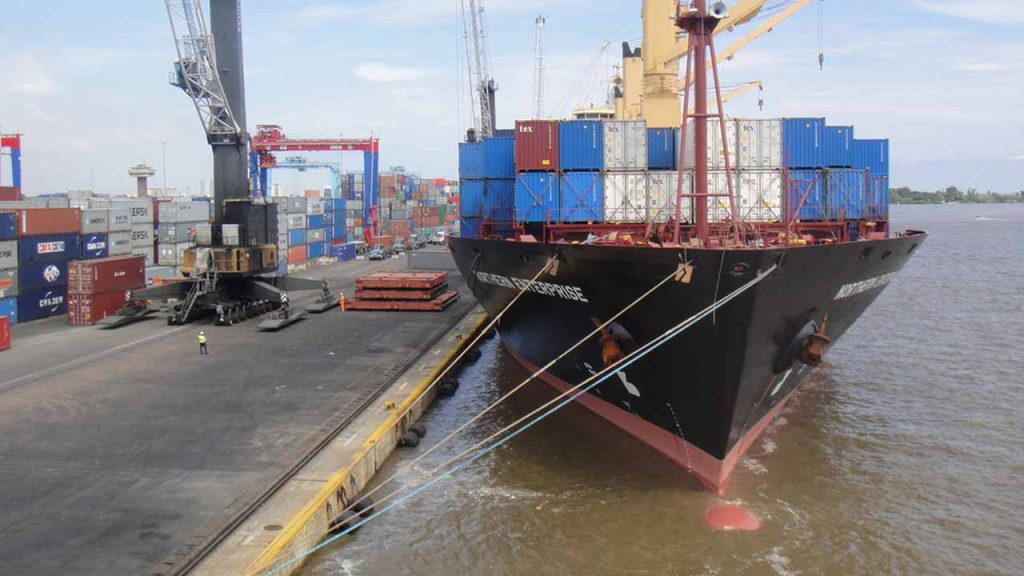
Nigeria's Ports Experience 12.3% Surge in Cargo Throughput Amid Maritime Reforms
The Nigerian Ports Authority has reported a notable increase in cargo throughput for the second quarter of 2026, attributing this growth to recent reforms in the maritime sector. Key performance indicators indicate a robust recovery and enhanced competitiveness of Nigeria's seaports.

FCCPC Launches Investigation into Uber's Sudden Exit from Nigeria
The Federal Competition and Consumer Protection Commission (FCCPC) has initiated a probe into Uber's abrupt withdrawal from the Nigerian market, focusing on the company's obligations to its customers. This investigation follows Uber's announcement of its exit, which has opened doors for rival ride-hailing services to expand in Nigeria.