

Nigeria's Inflation Rate Declines for Third Consecutive Month, Now at 15.39%
The National Bureau of Statistics reports a drop in Nigeria's headline inflation rate to 15.39% in August, marking a continued easing trend. This decline is attributed to lower core inflation rates and a slowdown in food price increases.
The Abuja Times
Nigeria's inflation rate has recorded a notable decline for the third consecutive month, with the headline inflation rate falling to 15.39% in August 2026, down from 15.43% in July 2026. The National Bureau of Statistics (NBS) released these figures in its Consumer Price Index (CPI) report, indicating a positive trend for the country's economy as it grapples with rising prices.
The report highlights that the core inflation rate also eased, decreasing to 13.29% in August from 14.97% in the previous month. This suggests that the underlying factors contributing to inflation are stabilizing, which could provide some relief to consumers facing increasing costs for goods and services.
On a month-on-month basis, the inflation rate showed a slower growth rate of 0.71%, a decrease from the 1.57% recorded in July. This indicates that while prices are still rising, the pace of this increase is slowing down, providing a glimmer of hope for economic stability.
“In August 2026, the Headline inflation rate stood at 15.39 percent, down from 15.43 percent in July 2026,” NBS stated.
Food inflation also saw a significant decline, dropping by 0.74 percentage points to 19.57% in August from 20.31% in July. The decrease in food prices, attributed to changes in the costs of essential commodities such as palm oil, suggests that consumers may experience a slight easing in their household expenditures.
Share this article with your network
Broadcast directly to WhatsApp communities and news circles.
The Abuja Morning Dispatch
Get the capital's most important political investigations, cabinet decisions, and economic intelligence delivered to your inbox every morning.
About The Abuja Times
Super Admin & Lead Director
Related Dispatches in Business

Federal Government's N1 Trillion Housing Initiative Faces Key Challenges in Addressing Housing Deficit
Despite the disbursement of over N150 billion in mortgages, Nigeria's housing deficit remains staggering at approximately 14.9 million units. The success of the Federal Government's N1 trillion housing fund hinges on its ability to convert financial resources into accessible homes for citizens.
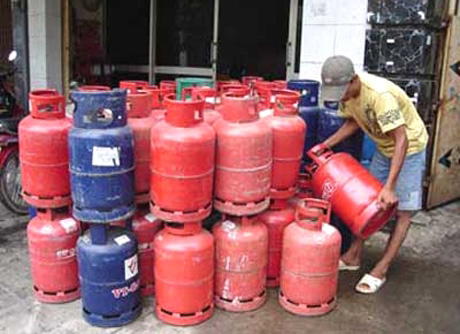
Nigeria's Gas Supply: Domestic Market Receives 41.3% Amid Rising LPG Prices
Nigeria's domestic gas market accounted for 41.3% of the country's total gas supply, averaging 2.04 billion cubic feet per day in the first ten months of 2026, according to a new report. The Nigerian Midstream and Downstream Petroleum Regulatory Authority highlights the need to enhance domestic market attractiveness as LPG prices surge by 12.5% to N1,800 per kg.

Nigeria Partners with Valmont to Enhance Agricultural Irrigation Infrastructure
Nigeria has entered into a memorandum of understanding with Valmont Industries, the world's leading pivot irrigation manufacturer, to propel its 'Irrigate Nigeria Programme'. This collaboration aims to establish advanced irrigation systems and a local manufacturing facility for irrigation equipment, promoting agricultural sustainability in the country.