

Nigeria's Seed Council Partners with PIND to Reform Seed Systems
In an effort to enhance agricultural productivity, Nigeria's National Agricultural Seeds Council (NASC) has joined forces with the Partnership Initiatives in the Niger Delta (PIND) to reform the country's seed systems. This collaboration aims to improve access to certified seeds, bolster local seed enterprises, and attract vital investments in the Niger Delta region.
The Abuja Times

The National Agricultural Seeds Council (NASC) of Nigeria has announced a strategic partnership with the Partnership Initiatives in the Niger Delta (PIND) to revamp the country's seed systems. This initiative is crucial for enhancing agricultural productivity and ensuring food security across the nation. By combining NASC’s regulatory expertise with PIND’s extensive experience in market systems development, the partnership aims to create a more robust and accessible seed market.
The collaboration focuses on several key objectives, including expanding access to certified seeds for farmers, strengthening local seed enterprises, and attracting significant investments in the agriculture sector, particularly in the Niger Delta region. This area has historically faced challenges related to agricultural development, and the partnership seeks to address these issues head-on.
According to NASC officials, improving seed quality and availability is critical to achieving higher crop yields and fostering sustainable agricultural practices. “Our goal is to empower local seed producers and ensure that farmers have access to the best quality seeds,” stated a representative from NASC. “This will not only enhance food production but also contribute to the economic growth of the region.”
PIND’s involvement is expected to provide additional resources and expertise in market systems development, which is essential for creating a conducive environment for investment in the agricultural sector. As the partnership progresses, stakeholders are hopeful that these efforts will lead to a significant transformation of Nigeria's seed systems, ultimately benefiting farmers and consumers alike.
Share this article with your network
Broadcast directly to WhatsApp communities and news circles.
The Abuja Morning Dispatch
Get the capital's most important political investigations, cabinet decisions, and economic intelligence delivered to your inbox every morning.
About The Abuja Times
Super Admin & Lead Director
Related Dispatches in Business

Federal Government's N1 Trillion Housing Initiative Faces Key Challenges in Addressing Housing Deficit
Despite the disbursement of over N150 billion in mortgages, Nigeria's housing deficit remains staggering at approximately 14.9 million units. The success of the Federal Government's N1 trillion housing fund hinges on its ability to convert financial resources into accessible homes for citizens.
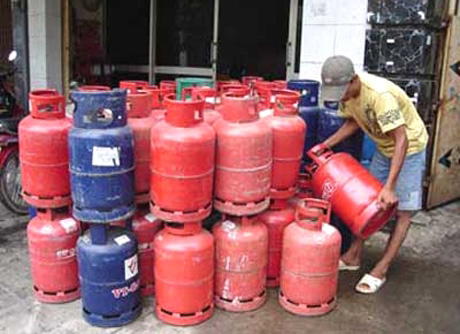
Nigeria's Gas Supply: Domestic Market Receives 41.3% Amid Rising LPG Prices
Nigeria's domestic gas market accounted for 41.3% of the country's total gas supply, averaging 2.04 billion cubic feet per day in the first ten months of 2026, according to a new report. The Nigerian Midstream and Downstream Petroleum Regulatory Authority highlights the need to enhance domestic market attractiveness as LPG prices surge by 12.5% to N1,800 per kg.

Nigeria Partners with Valmont to Enhance Agricultural Irrigation Infrastructure
Nigeria has entered into a memorandum of understanding with Valmont Industries, the world's leading pivot irrigation manufacturer, to propel its 'Irrigate Nigeria Programme'. This collaboration aims to establish advanced irrigation systems and a local manufacturing facility for irrigation equipment, promoting agricultural sustainability in the country.