

Political Commentator Ibrahim Khalil Murdered in Kano: A Grim Echo of History
The recent murder of political commentator Ibrahim Khalil in Kano raises troubling questions about political violence in Nigeria. Khalil, known for his outspoken criticism of the government, was found brutally slain, drawing parallels to a similar incident 45 years prior.
The Abuja Times

Last Wednesday, the Kano community was rocked by the brutal murder of popular political commentator Ibrahim Khalil, also known as Dan Shagamu. Khalil, who was a vocal critic of the All Progressives Congress (APC) government and President Bola Tinubu, was found with his throat slit in Kumbotso, a grim reminder of the dangers faced by those who challenge the status quo in Nigeria.
Khalil was renowned for his incisive and often scathing commentary on social media platforms, particularly Facebook and TikTok. His posts resonated with many who sought a voice against perceived governmental oppression and military overreach. His assassination has sparked outrage and fear among activists and citizens alike, who see this as yet another indication of the perilous environment for free speech and dissent in the country.
The circumstances surrounding Khalil's death evoke memories of another politically charged murder in Kano that occurred 45 years ago, which also involved a prominent figure who faced severe backlash for their political views. This historical parallel serves to highlight the ongoing issue of political violence in Nigeria, raising concerns about the safety of those who dare to speak out against authority.
"Khalil's murder is not just a tragedy; it is a stark warning to all who engage in political discourse in Nigeria. We must ask ourselves, what has changed in 45 years?" - A local activist
Kano Governor Abba Kabir Yusuf has publicly condemned the act, promising a thorough investigation and urging citizens to remain vigilant. However, skepticism remains about whether justice will be served, as many in the community fear that such incidents will continue unabated unless systemic changes are made to protect free speech and political dissent.
Share this article with your network
Broadcast directly to WhatsApp communities and news circles.
The Abuja Morning Dispatch
Get the capital's most important political investigations, cabinet decisions, and economic intelligence delivered to your inbox every morning.
About The Abuja Times
Super Admin & Lead Director
Related Dispatches in News

Ondo State University Unions Halt Strike After Four Weeks of Protest
Unions representing academic staff at state-owned universities in Ondo State have called off their strike, which lasted four weeks, following negotiations over unpaid allowances and wage agreements. The decision to suspend the strike comes after a series of discussions aimed at resolving the ongoing issues affecting the university sector.

National Assembly Embarks on Digital Transformation of Legislative Records
The National Assembly Library Trust Fund is set to revolutionize access to parliamentary information by developing electronic repositories and a mobile application while translating laws into local languages. This initiative aims to enhance the preservation of legislative records and ensure that all Nigerians can engage with their laws more effectively.
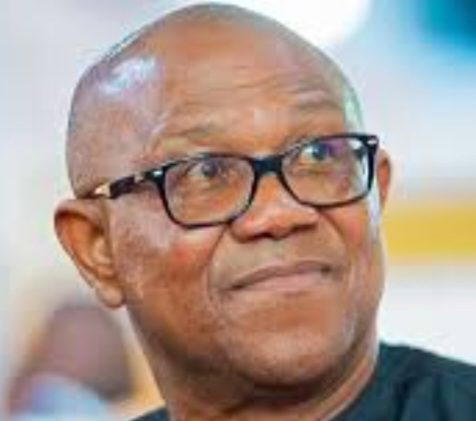
Obi Promises Reinstatement of Fuel Subsidy after Tackling Corruption
Peter Obi, the presidential candidate of the Nigeria Democratic Congress, has vowed to reinstate the petroleum subsidy if elected in 2027, emphasizing a strong focus on eradicating corruption first. Speaking at a town hall meeting in Sokoto, Obi delineated his administration's commitment to addressing Nigeria's systemic corruption as a precursor to restoring the subsidy.