

The Tragic Death of Artisanal Miners: A Reflection on Nigeria's Policing System
The recent death of 37 artisanal miners in custody highlights systemic failures within Nigeria's law enforcement agencies. This incident underscores the dire consequences of a policing framework that often prioritizes profit over the protection of its citizens.
The Abuja Times
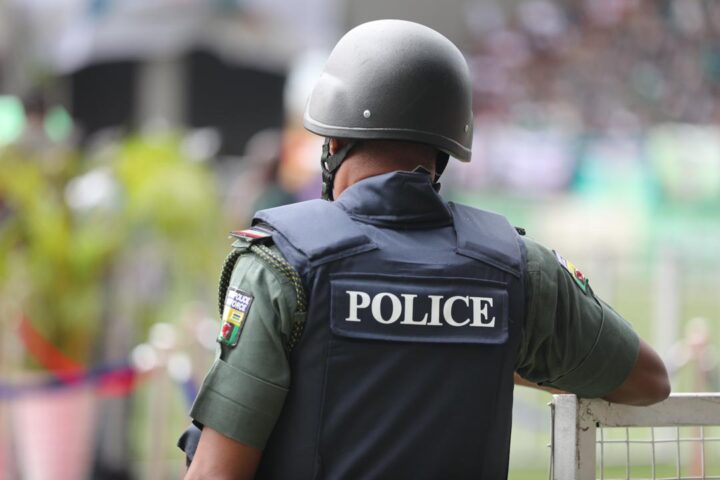
The tragic demise of 37 artisanal miners while detained by the Nigeria Security and Civil Defence Corps (NSCDC) has ignited outrage and introspection regarding the structural violence embedded within Nigeria's law enforcement systems. This incident, which occurred in Minna, serves as a stark reminder of the often unsafe and inhumane conditions faced by detainees, raising serious questions about the standards and accountability of policing agencies in the country.
According to reports, the miners were arrested under dubious circumstances and subsequently held in conditions that were both hazardous and neglectful. The horrific nature of their deaths could have been prevented, pointing to a broader issue where similar occurrences happen across Nigeria, albeit with different victims and varying degrees of media attention. In this context, the policing practices of various bodies, including the Nigeria Police and the NSCDC, reveal a troubling trend of transactional interactions with ordinary citizens.
Historically, policing in Nigeria was not designed to serve and protect the populace but rather to uphold the interests of colonial powers and their representatives. This legacy has persisted, manifesting in a policing approach that often views citizens not as individuals with rights but as subjects to be controlled and exploited. Suleiman A. Suleiman's critique illuminates how the policing architecture, despite being composed of distinct agencies, operates under a shared ethos of incompetence and oppression, leading to a culture where personal profit often takes precedence over public safety.
“Nigerians were not even conceived as citizens, but as subjects who had few rights.”
The incident involving the artisanal miners is emblematic of a much larger issue in Nigeria’s governance and law enforcement landscape. As the nation grapples with the fallout from this tragedy, it becomes increasingly essential for stakeholders to address the systemic flaws within policing agencies. Reforming these institutions to prioritize the welfare and rights of citizens over profit motives is crucial for rebuilding trust and ensuring justice in Nigeria.
Share this article with your network
Broadcast directly to WhatsApp communities and news circles.
The Abuja Morning Dispatch
Get the capital's most important political investigations, cabinet decisions, and economic intelligence delivered to your inbox every morning.
About The Abuja Times
Super Admin & Lead Director
Related Dispatches in News

Reflections on Presidential Leadership Amidst National Challenges
In a candid exploration of Nigeria's leadership, columnist Tony Afejuku reflects on the disconnect between the president and the populace, particularly in light of recent criticisms voiced by Nigerian Catholic Bishops. This commentary sheds light on the pressing issues facing the nation and the urgent need for responsive governance.
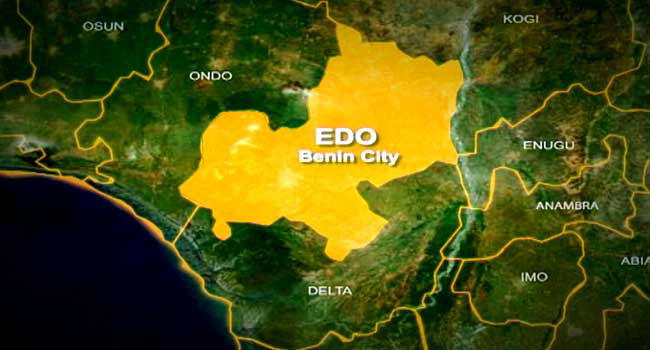
Etsako East Council Chairman Honors Fallen Soldier with N20 Million Pledge Redemption
Hon. Sunny Ekpeson, Chairman of Etsako East Local Government, has fulfilled his promise of N20 million to the family of late Lance Corporal Fahad Sani, who tragically lost his life during a rescue operation. The gesture underscores the community's support for the sacrifices made by military personnel in Nigeria.

Empowering Voters: Essential Questions for the Upcoming Campaigns
As elections approach, voters are encouraged to engage critically with candidates, moving beyond slogans and social media narratives. A comprehensive checklist of pertinent questions can empower citizens to make informed decisions at the polls.