

Tinubu's Education Reforms: A New Era for Nigeria's Learning Landscape?
The Tinubu administration is launching an ambitious education reform agenda, claiming impressive statistics in school enrollment and technical training. However, the real challenge lies in translating these figures into meaningful improvements in Nigeria's education system.
The Abuja Times
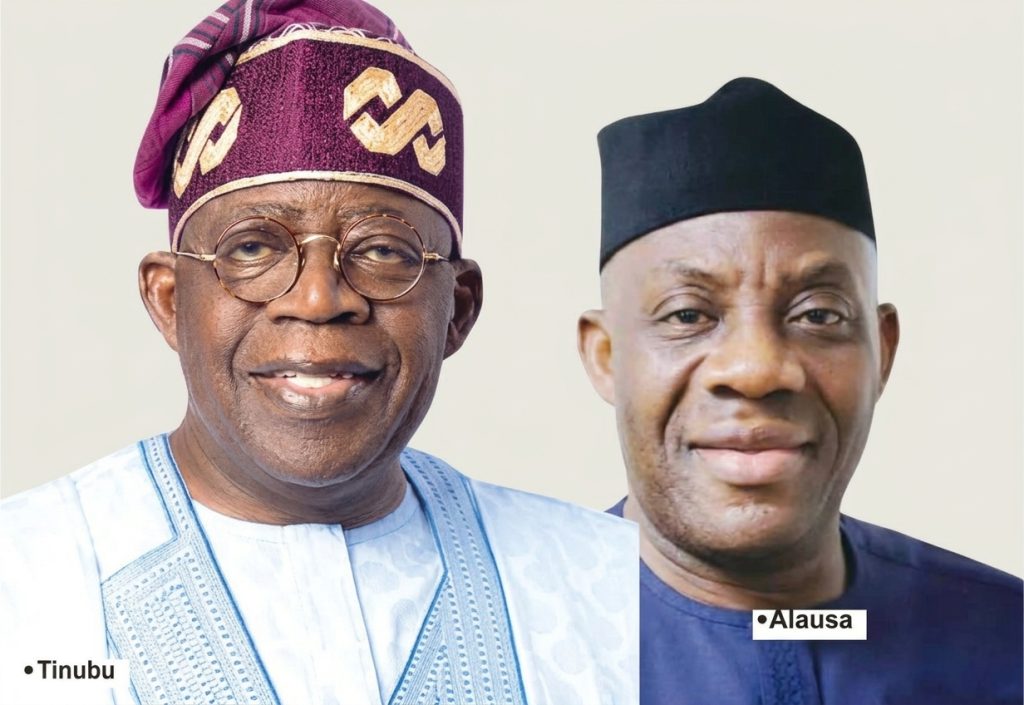
In a bold bid to address Nigeria's longstanding education crisis, the Tinubu administration has unveiled a comprehensive reform agenda aimed at transforming the nation’s educational landscape. With nearly 46 million children captured in a new education data system and reports of 250,000 Nigerians undergoing technical skills training, the government is making a case for a turnaround in a sector long plagued by challenges such as overcrowded classrooms and underqualified teachers.
Dr. Tunji Alausa, the Minister of Education, has introduced a digital dashboard designed to provide real-time monitoring of schools across the country. This tool enables officials to access crucial data, including enrollment figures, the distribution of teachers, and available facilities. Alausa remarked, "With just a few clicks, we can drill down into individual schools to examine critical metrics that were previously elusive, offering an unprecedented opportunity for data-driven decision-making in education management."
Despite the promise of technology and the optimistic statistics, experts question whether these initiatives can genuinely translate into improved educational outcomes. For decades, millions of Nigerian children have remained outside the classroom, while many who do attend face inadequacies in resources and teaching quality. The effectiveness of these reforms will ultimately depend on the government’s ability to provide better classrooms, recruit competent teachers, and enhance overall learning environments.
“The real test of Nigeria’s education reforms is not how impressive the dashboard appears in Abuja. It is whether the technology delivers better classrooms, competent teachers, and improved learning outcomes for students,” said an education analyst.
As the Tinubu administration pushes forward with its ambitious agenda, the eyes of the nation remain fixed on whether these bold plans will indeed rescue a generation from the educational malaise that has long hindered Nigeria's progress.
Share this article with your network
Broadcast directly to WhatsApp communities and news circles.
The Abuja Morning Dispatch
Get the capital's most important political investigations, cabinet decisions, and economic intelligence delivered to your inbox every morning.
About The Abuja Times
Super Admin & Lead Director
Related Dispatches in News
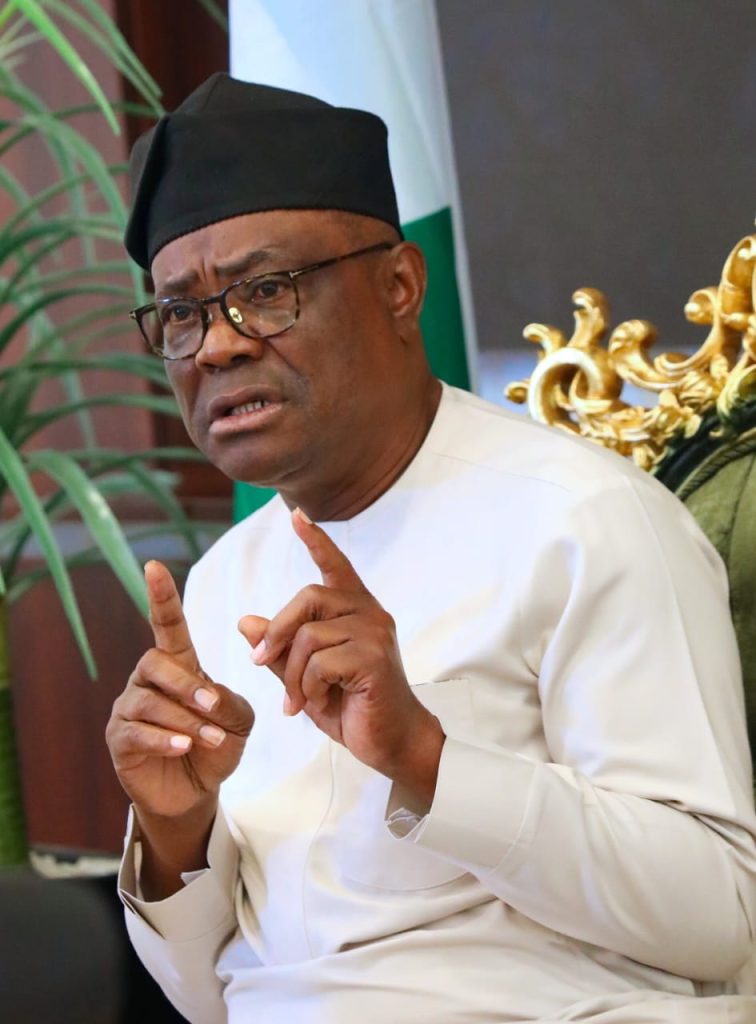
Wike Warns of Instability in Tinubu's Reforms Without 2027 Re-election
Federal Capital Territory Minister Nyesom Wike has expressed concerns that President Bola Tinubu's economic reforms may falter if he is not re-elected in 2027. Wike emphasized the importance of allowing Tinubu to complete his foundational work for Nigeria's recovery and prosperity.

COP31: Onuigbo Urges Global Legislators to Enact Climate Laws and Ensure Funding
At the Inter-Parliamentary Union COP31 Meeting in Türkiye, Rt. Hon. Sir Sam Ifeanyi Onuigbo called on parliamentarians worldwide to convert international climate commitments into actionable national laws, emphasizing the need for adequate funding and oversight. He warned that without legislative support, global climate agreements risk remaining ineffective.

Gombe State Awards Contracts for 97 Kilometers of Road Projects to Enhance Rural Connectivity
The Gombe State Government has initiated seven road construction contracts spanning 97 kilometers to improve access and economic activities in rural areas. This infrastructure development aims to connect underserved communities across four local government areas, fostering agricultural transportation and market access.