

Uber's Departure: A Wake-Up Call for Nigeria’s Digital Economy
As Uber exits the Nigerian market, experts highlight the need for Nigeria to bridge the gap between digital connectivity and organizational infrastructure. The country's potential remains untapped due to inadequate physical and institutional frameworks, despite existing plans for growth.
- As Uber exits the Nigerian market, experts highlight the need for Nigeria to bridge the gap between digital connectivity and organizational infrastructure. The country's potential remains untapped due to inadequate physical and institutional frameworks, despite existing plans for growth.
- Key policy implications affect municipal infrastructure, budget allocations, and FCT residents.
- Newsroom correspondents continue to track official responses from ministries and regulatory agencies.

Uber's recent withdrawal from Nigeria has sparked a critical discussion about the state of the nation's digital economy. While Nigeria boasts impressive digital connectivity and a growing embrace of technology, it starkly lacks the essential infrastructure needed to fully leverage these advancements. This disconnect poses significant challenges for businesses and consumers alike, underscoring the urgency for systemic improvements.
According to industry analysts, Nigeria's reliance on digital applications has not been matched by the necessary physical and institutional support systems. The National Integrated Infrastructure Master Plan, aimed at addressing these gaps, has yet to see significant implementation. As a result, many digital platforms struggle to operate effectively in an environment that remains largely analog, hampering economic growth and innovation.
“We have acquired the applications and embraced the devices, but we have not built all the physical, institutional and information infrastructure needed to extract their full economic value,”
These insights suggest that the exit of companies like Uber should serve as a catalyst for reflection and action among policymakers and stakeholders. The potential for Nigeria to become a tech hub in Africa is immense, yet it requires a concerted effort to develop the foundational elements that support a thriving digital economy. Without such investments, the country risks losing not only existing players but also future opportunities for growth.
Stakeholders are now calling for a reevaluation of priorities, urging the government and private sector to collaborate on building a more robust infrastructure that can support digital businesses. As Nigeria navigates this pivotal moment, the lessons learned from Uber’s departure could pave the way for a more resilient and organized economic framework.
Share this article with your network
Broadcast directly to WhatsApp communities and news circles.
The Abuja Morning Dispatch
Get the capital's most important political investigations, cabinet decisions, and economic intelligence delivered to your inbox every morning.
About The Abuja Times
Super Admin & Lead Director
Related Dispatches in Business

Akwa Ibom's Investment Income Lags Behind South-South Peers Despite Significant Holdings
In a stark contrast to neighboring states, Akwa Ibom has reported a meager N249.23 million in investment income for 2025, overshadowed by Delta's N18.29 billion and Edo's N11.07 billion. This raises questions about the management and profitability of the state's extensive portfolio of investments, including Ibom Air.
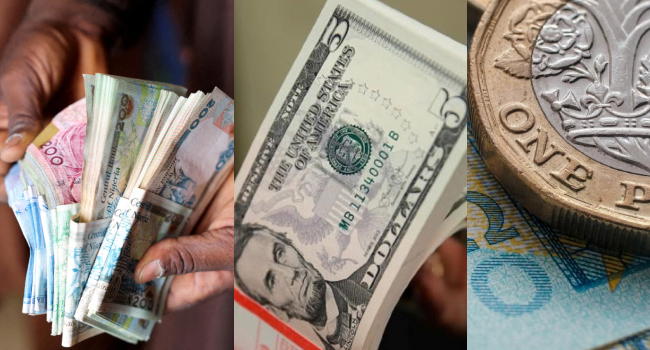
Foreign Portfolio Investment in Nigeria Declines Sharply as Investors Withdraw N266 Billion
The Nigerian equities market has witnessed a staggering 1,073% increase in net capital outflow, totaling N266.07 billion over the past three years, as foreign investors increasingly withdraw their funds. Analysts highlight the ongoing pressure on foreign portfolio investments, raising concerns about the implications for the nation’s economy.

Otedola Highlights FirstHoldCo's Entry into FTSE Frontier 50 Index
Femi Otedola has expressed optimism regarding FirstHoldCo's recent inclusion in the prestigious FTSE Frontier 50 Index, effective September 21. This milestone marks a significant achievement for the company and the Nigerian market as a whole.