

Unlocking the Potential: Burutu's Role in the Niger Delta Blue Economy
The proposed rehabilitation of Burutu seaport promises to unlock significant blue economy opportunities, potentially benefiting not just Nigeria but also neighboring countries. This initiative could transform regional maritime services and bolster the local economy, laying the groundwork for sustainable development in the Niger Delta.
The Abuja Times

The Burutu seaport, strategically located in the heart of the Niger Delta, is poised for a transformative upgrade that could redefine the region's economic landscape. Recent discussions highlight the immense opportunities that the blue economy presents, particularly through the rehabilitation of this vital maritime facility. As Nigeria seeks to diversify its economy beyond oil, Burutu's potential to serve as a hub for maritime services could be a game-changer.
With its existing infrastructure, including a substantial warehouse for dockyard services, Burutu is well-equipped to cater to the maintenance and repair needs of light vessels. This capability not only addresses local demands but also positions Burutu as a competitive player in the regional maritime industry, particularly for neighboring countries like Cameroon and Equatorial Guinea. The strategic investment in this port could lead to increased shipping traffic and foster economic collaboration across borders.
Moreover, the rehabilitation of Burutu seaport aligns with broader national goals of fostering sustainable economic growth and job creation. By tapping into the blue economy, which encompasses sustainable fisheries, maritime transport, and ocean energy, Nigeria can harness its vast marine resources while promoting environmental stewardship. As stakeholders engage in discussions about the future of this port, the emphasis should be on sustainable practices that will ensure long-term benefits for both the local and national economies.
“The blue economy is not just about fishing; it's about creating a sustainable future that supports livelihoods and preserves our marine ecosystems,” said a local maritime expert. “Investing in ports like Burutu is crucial for realizing this vision.”
In essence, the Burutu seaport represents a gateway to unlocking the untapped treasures of the Niger Delta's blue economy. With the right investments and strategic planning, this initiative could catalyze a new era of economic prosperity for the region, making it an integral part of Nigeria's maritime narrative.
Share this article with your network
Broadcast directly to WhatsApp communities and news circles.
The Abuja Morning Dispatch
Get the capital's most important political investigations, cabinet decisions, and economic intelligence delivered to your inbox every morning.
About The Abuja Times
Super Admin & Lead Director
Related Dispatches in Business
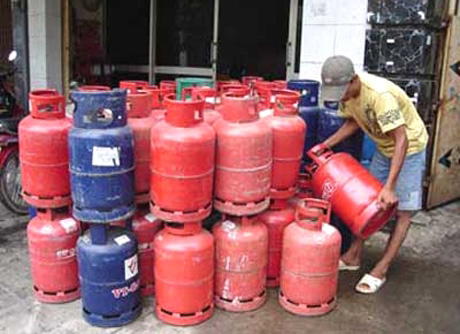
Nigeria's Gas Supply: Domestic Market Receives 41.3% Amid Rising LPG Prices
Nigeria's domestic gas market accounted for 41.3% of the country's total gas supply, averaging 2.04 billion cubic feet per day in the first ten months of 2026, according to a new report. The Nigerian Midstream and Downstream Petroleum Regulatory Authority highlights the need to enhance domestic market attractiveness as LPG prices surge by 12.5% to N1,800 per kg.

Nigeria Partners with Valmont to Enhance Agricultural Irrigation Infrastructure
Nigeria has entered into a memorandum of understanding with Valmont Industries, the world's leading pivot irrigation manufacturer, to propel its 'Irrigate Nigeria Programme'. This collaboration aims to establish advanced irrigation systems and a local manufacturing facility for irrigation equipment, promoting agricultural sustainability in the country.

Nigeria's Absence at COP31 Closing Plenary Sparks Concerns Over Climate Commitment
Nigeria's absence at the closing plenary of COP31, the longest climate summit in history, raises questions about its commitment to global climate action. Critics argue that this development reflects poorly on Nigeria's role in addressing pressing climate issues.