

Concerns Rise Over Job Losses as N3.9 Trillion Debt Threatens 22 Firms
A recent analysis reveals a stark contrast in the cash/debt ratios of companies listed on the Nigerian Exchange, with 22 firms facing potential insolvency due to overwhelming debt. The combined debt of these companies, amounting to N3.9 trillion, raises alarms about possible job losses and economic impact.
The Abuja Times
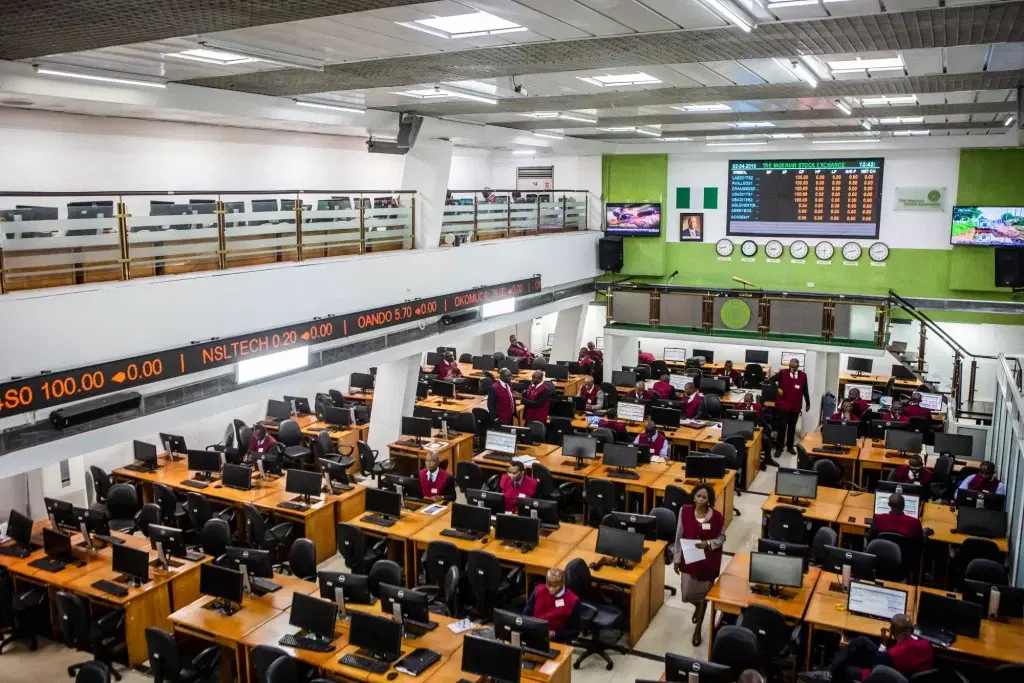
In a troubling development for the Nigerian corporate landscape, a recent analysis of companies listed on the Nigerian Exchange Limited (NGX) has unveiled a significant disparity in the cash/debt ratios among firms. While 18 companies maintain a healthy cash reserve that meets or exceeds their debt obligations, 22 others are teetering on the brink of financial distress as their debt far outweighs their cash holdings. This situation, if not addressed, could have dire consequences for employment and investment within the country.
The analysis, which covered 40 companies in the second quarter of 2026, indicates that the total debt across these firms has reached a staggering N3.9 trillion. Among the 22 companies struggling to manage their debts, their cash reserves are insufficient to cover their liabilities, potentially leading to layoffs and a slowdown in production. Financial analysts are particularly concerned that the inability of these firms to meet their obligations could stifle capital market development and deter future investments.
According to the cash/debt ratio metric, which gauges a company’s ability to service its debts with available cash, a ratio below 1.0 is alarming. HBM Nigeria stands out with an impressive cash/debt ratio of 319.07 times, boasting cash reserves of N393.68 billion against a mere N1.23 billion in total debt. In stark contrast, companies with weaker ratios may find themselves in precarious positions, facing the risk of insolvency.
Industry experts suggest that urgent measures are needed to address the financial health of these struggling firms. As the economic landscape becomes increasingly uncertain, stakeholders are calling for comprehensive strategies aimed at enhancing liquidity and supporting corporate stability. The repercussions of inaction could extend beyond individual companies, affecting the broader economy and the job market.
Share this article with your network
Broadcast directly to WhatsApp communities and news circles.
The Abuja Morning Dispatch
Get the capital's most important political investigations, cabinet decisions, and economic intelligence delivered to your inbox every morning.
About The Abuja Times
Super Admin & Lead Director
Related Dispatches in Business
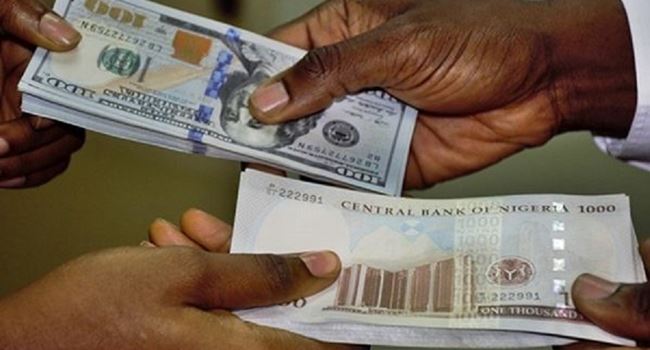
Naira Weakens Against Dollar, Hits N1,382 in Parallel Market
The Nigerian Naira has further depreciated, falling to N1,382 per dollar in the parallel market, reflecting ongoing economic pressures. This decline highlights a widening gap between the official and parallel market rates, now standing at N50.5.
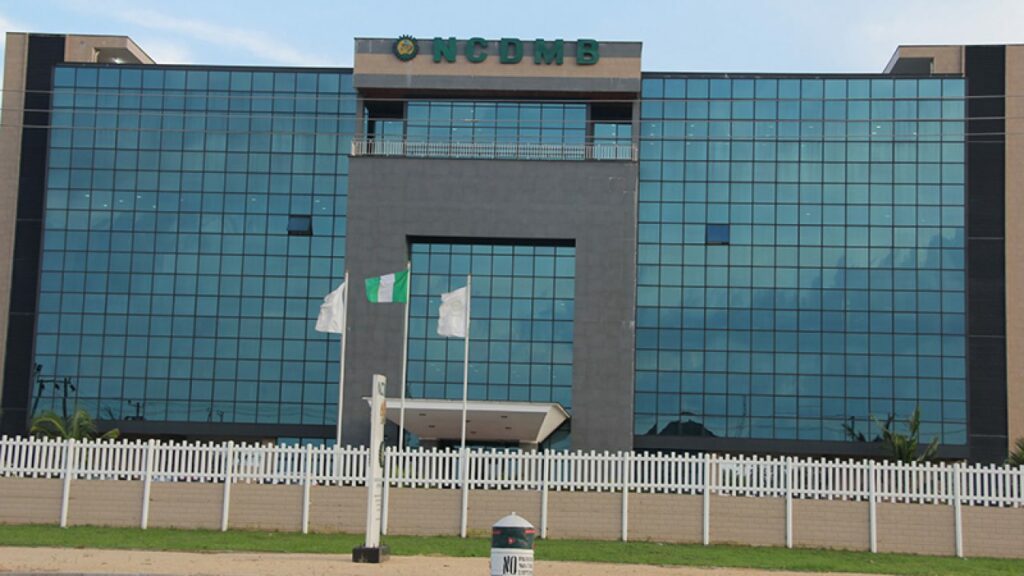
NCDMB's Strategic Role in Advancing Tinubu's Economic Vision
Since his appointment, Engr. Felix Ogbe has transformed the NCDMB into a pivotal force in Nigeria's economic reform agenda under President Tinubu. By prioritizing local content, the Board aims to boost domestic production and reduce reliance on imports.

Ogun Deep Sea Port Construction Set to Commence in November, Announces Governor Abiodun
Governor Dapo Abiodun has confirmed that construction for the Ogun Deep Sea Port will officially start in November, following a groundbreaking ceremony. The ambitious project aims for substantial completion within two and a half years, enhancing Nigeria's maritime capabilities.