

Iran Proposes Plan to Reopen Strait of Hormuz Amidst US Rejection
Iran has put forth a proposal aimed at reopening the strategically vital Strait of Hormuz, essential for global oil supply, but US President Donald Trump has reportedly dismissed the offer. The development comes amid ongoing tensions and stalled negotiations between the two nations, despite recent diplomatic engagements at the UN.
The Abuja Times
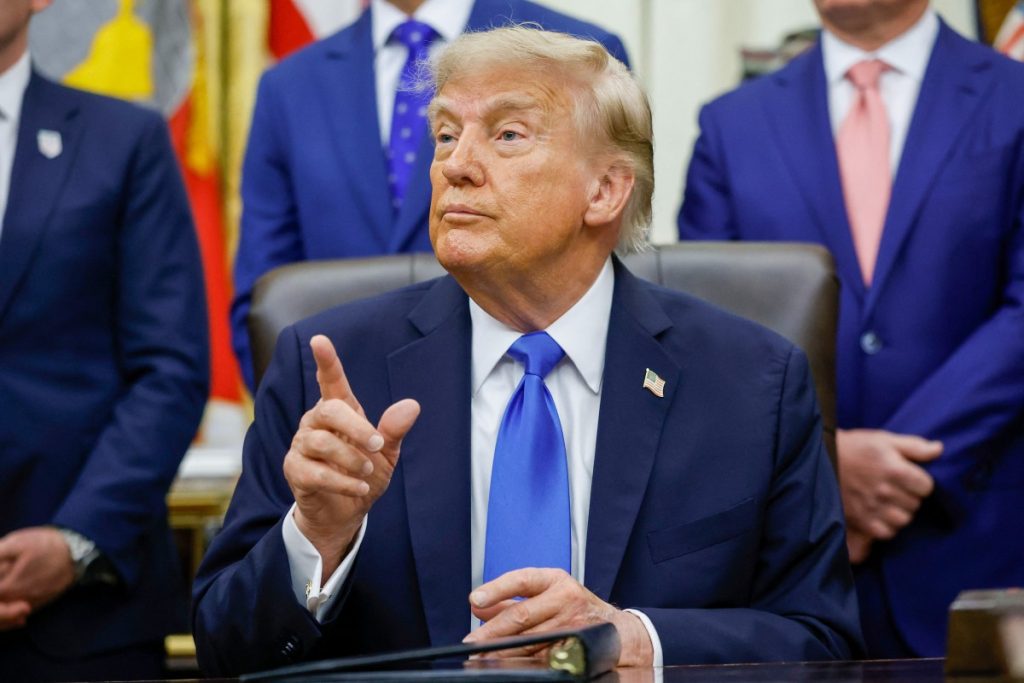
In a significant diplomatic move, Iran has proposed a plan to reopen the Strait of Hormuz, a crucial waterway for global oil transportation, which has been at the center of escalating tensions with the United States. Iranian Foreign Minister Abbas Araghchi disclosed the proposal during recent discussions at the United Nations, stating that Iran conveyed a concrete seven-day plan through Qatari intermediaries. He emphasized that if the United States agrees to the necessary conditions, normal maritime passage could be restored within a week.
“The choice now rests with the United States. Iran does not accept coercion, threats, or intimidation, and Iran will not surrender its sovereign rights under pressure,” Araghchi asserted, underscoring Iran's firm stance amidst ongoing hostilities. This proposal follows a series of diplomatic interactions, including talks between Araghchi and Trump’s envoy Steve Witkoff, which had initially raised hopes for a potential thaw in relations.
However, the optimism was short-lived as reports emerged that President Trump had rejected the Iranian proposal. According to sources familiar with the discussions, Trump expressed skepticism regarding Iran's willingness to comply with US demands, leading to speculation about a possible escalation of military actions. The Wall Street Journal reported that Trump views the likelihood of renewed bombing campaigns as a viable option, reflecting the broader tensions that have characterized US-Iran relations in recent months.
The Strait of Hormuz remains a flashpoint in international geopolitics, with nearly 20% of the world’s oil passing through its waters. As both nations navigate this complex landscape, the implications of their actions extend beyond their borders, affecting global markets and international security.
Share this article with your network
Broadcast directly to WhatsApp communities and news circles.
The Abuja Morning Dispatch
Get the capital's most important political investigations, cabinet decisions, and economic intelligence delivered to your inbox every morning.
About The Abuja Times
Super Admin & Lead Director
Related Dispatches in World

Silencing Voices: The Controversial Dynamics at the 81st UN General Assembly
The ongoing United Nations General Assembly (UNGA) has sparked controversy as the United States restricts the Palestinian voice while favoring Israel. This decision raises critical questions about diplomatic practices and the principles of equity in international discourse.

Reflecting on Twenty-Five Years Since 9/11: The Enduring Global Impact of Terrorism
As the world marks a quarter-century since the tragic events of September 11, 2001, the echoes of that day continue to influence global security dynamics, particularly in Africa. The legacy of 9/11 serves as a stark reminder of the persistent threat of terrorism and the complexities of countering it across borders.

Iran Proposes Seven-Day Plan for Reopening Strait of Hormuz to US
Iran's Foreign Minister Abbas Araghchi has presented a detailed seven-day plan to the United States aimed at reopening the strategically crucial Strait of Hormuz for maritime navigation. This proposal is contingent upon the cessation of hostilities and the release of frozen Iranian assets, highlighting the complex geopolitical dynamics in the region.