

Iran Proposes Seven-Day Plan for Reopening Strait of Hormuz to US
Iran's Foreign Minister Abbas Araghchi has presented a detailed seven-day plan to the United States aimed at reopening the strategically crucial Strait of Hormuz for maritime navigation. This proposal is contingent upon the cessation of hostilities and the release of frozen Iranian assets, highlighting the complex geopolitical dynamics in the region.
The Abuja Times

In a significant diplomatic move, Iran's Foreign Minister Abbas Araghchi announced on Friday that Tehran has proposed a comprehensive seven-day plan to the United States for reopening the Strait of Hormuz, a vital maritime route for global oil transportation. The plan, conveyed through intermediary channels, aims to restore normal maritime passage contingent upon certain conditions being met by the US.
During a recent address at the United Nations, Araghchi emphasized that the reopening of the strait is feasible within a week if the necessary agreements are established. He stated, "Iran has conveyed to the United States, through Qatar, a concrete seven-day plan. If the necessary conditions are met, the strait can be reopened, and normal maritime passage restored within seven days." He further indicated that the ball is now in the US court, asserting, "Iran does not accept coercion, threats, or intimidation, and Iran will not surrender its sovereign rights under pressure."
The proposed plan reportedly includes a cessation of hostilities across the Middle East for the duration of the seven days, which would cover regions including Lebanon. Additionally, it calls for the release of Iranian assets frozen abroad, estimated to be worth at least $12 billion, alongside the lifting of sanctions on Iranian oil and the end of the US naval blockade against Iran. Araghchi expressed optimism that if there is genuine intent from the US to negotiate, all prerequisites for the reopening of the Strait of Hormuz are in place.
This development comes amid heightened tensions in the region, where the Strait of Hormuz serves as a critical chokepoint for oil shipments, making any disruption in maritime navigation a potential trigger for global economic instability. As the world watches closely, the outcome of these negotiations could reshape the geopolitical landscape in the Middle East.
Share this article with your network
Broadcast directly to WhatsApp communities and news circles.
The Abuja Morning Dispatch
Get the capital's most important political investigations, cabinet decisions, and economic intelligence delivered to your inbox every morning.
About The Abuja Times
Super Admin & Lead Director
Related Dispatches in World

Silencing Voices: The Controversial Dynamics at the 81st UN General Assembly
The ongoing United Nations General Assembly (UNGA) has sparked controversy as the United States restricts the Palestinian voice while favoring Israel. This decision raises critical questions about diplomatic practices and the principles of equity in international discourse.

Reflecting on Twenty-Five Years Since 9/11: The Enduring Global Impact of Terrorism
As the world marks a quarter-century since the tragic events of September 11, 2001, the echoes of that day continue to influence global security dynamics, particularly in Africa. The legacy of 9/11 serves as a stark reminder of the persistent threat of terrorism and the complexities of countering it across borders.
Iran Proposes Plan to Reopen Strait of Hormuz Amidst US Rejection
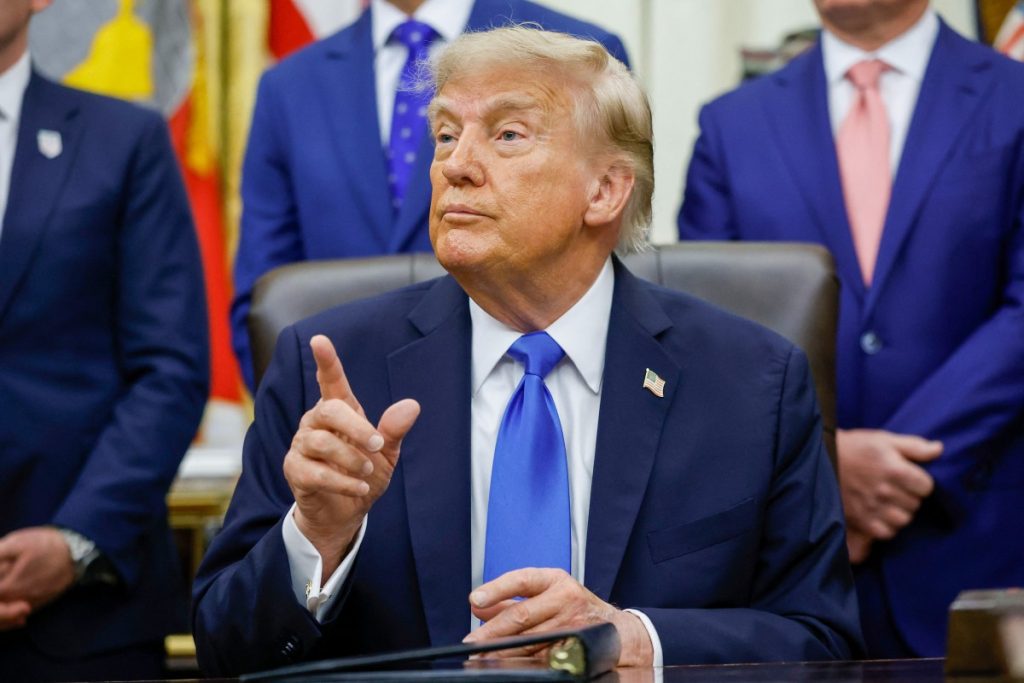
Iran has put forth a proposal aimed at reopening the strategically vital Strait of Hormuz, essential for global oil supply, but US President Donald Trump has reportedly dismissed the offer. The development comes amid ongoing tensions and stalled negotiations between the two nations, despite recent diplomatic engagements at the UN.