

President Tinubu Justifies Borrowing for Infrastructure Development
In a comprehensive defense of his administration's borrowing strategy, President Bola Tinubu emphasizes that investment in infrastructure will create lasting opportunities for future generations. He outlines key projects that are set to enhance Nigeria's economic landscape and boost productivity.
The Abuja Times
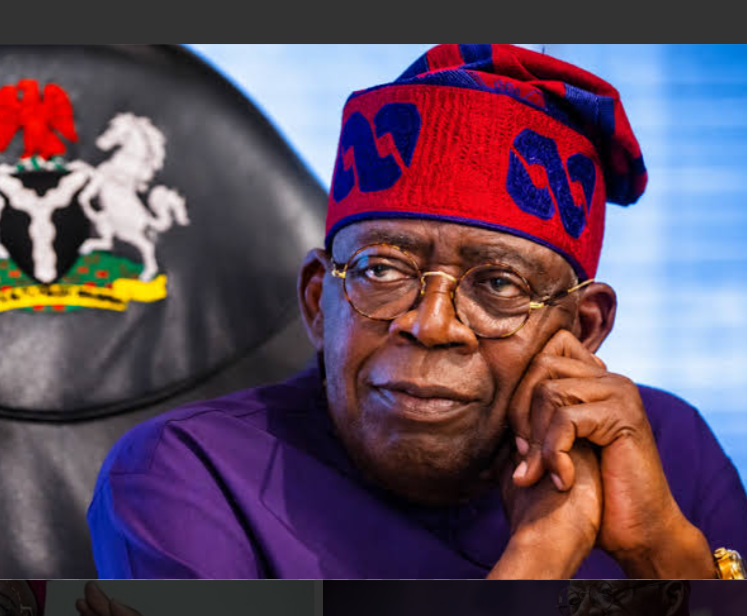
President Bola Tinubu has taken a firm stance in defense of his government's borrowing initiatives, particularly in the face of criticism from opposition leaders regarding new loans acquired from international financial institutions. In a detailed essay titled “From reforms to delivery: Our infrastructure investment and growth strategy,” President Tinubu articulates that the core issue is not the amount borrowed but the value created through these investments for future generations.
Among the major infrastructure projects highlighted by the President are the Lagos-Calabar Coastal Highway, Sokoto-Badagry Superhighway, and the Trans-Sahara Superhighway. These projects, along with upgrades to the electricity grid and the modernization of Nigeria's key commercial ports, are expected to significantly enhance the country's productive capacity. Tinubu asserts that these developments will not only streamline logistics and reduce costs but also unlock Nigeria's agricultural and industrial potential, thereby attracting private investments.
The Lagos-Calabar Coastal Highway, in particular, is projected to lower logistics costs by 15 to 20 percent along its corridor and could potentially contribute up to 2 percent to Nigeria’s GDP through increased trade, tourism, and industrial activities. Furthermore, this ambitious project is anticipated to create approximately 100,000 direct jobs in construction and engineering, alongside more than 150,000 indirect jobs in logistics and related services.
“We are not simply building highways. We are opening economic corridors that will revolutionize our nation’s growth,” President Tinubu stated, emphasizing the transformative potential of these initiatives.
By investing in healthcare, education, and vocational training, the President believes that these infrastructure projects will connect economic regions and lay a solid foundation for sustainable development. He remains committed to ensuring that the investments made today will benefit not only the current generation but also pave the way for future prosperity in Nigeria.
Share this article with your network
Broadcast directly to WhatsApp communities and news circles.
The Abuja Morning Dispatch
Get the capital's most important political investigations, cabinet decisions, and economic intelligence delivered to your inbox every morning.
About The Abuja Times
Super Admin & Lead Director
Related Dispatches in News
INEC Upholds 41 Governorship Petitions Amid Controversy Over Candidate Omissions
The Independent National Electoral Commission (INEC) has validated 41 of the 69 petitions regarding the final list of governorship candidates for the 2027 elections, while dismissing 28. The commission's decisions highlight ongoing disputes over candidate nominations and party registrations across multiple states.

National Directorate of Employment Launches Ambitious Five-Year Plan to Boost Job Creation
The National Directorate of Employment has unveiled a strategic five-year plan aimed at revitalizing job creation and upgrading its skills training facilities across Nigeria. This initiative is designed to align vocational training with industry needs and enhance employment services for sustainable livelihoods.

Confronting the Memory Crisis: Lessons from Ebola's Resurgence in Nigeria
As Nigeria grapples with a renewed threat of Ebola, a deeper epidemic of memory loss emerges, exacerbated by screen addiction and poor record-keeping. The lessons learned from past outbreaks highlight the urgent need for institutional diligence and public awareness.