

Rising Tide of Counterfeit Goods Poses Grave Threat to Nigerian Public Health
The proliferation of fake drugs, drinks, and food products in Nigeria is leading to alarming health risks, as many citizens unknowingly consume these hazardous items. Recent NAFDAC operations have exposed the extent of this deadly trade, highlighting a critical public health crisis that demands immediate attention.
The Abuja Times
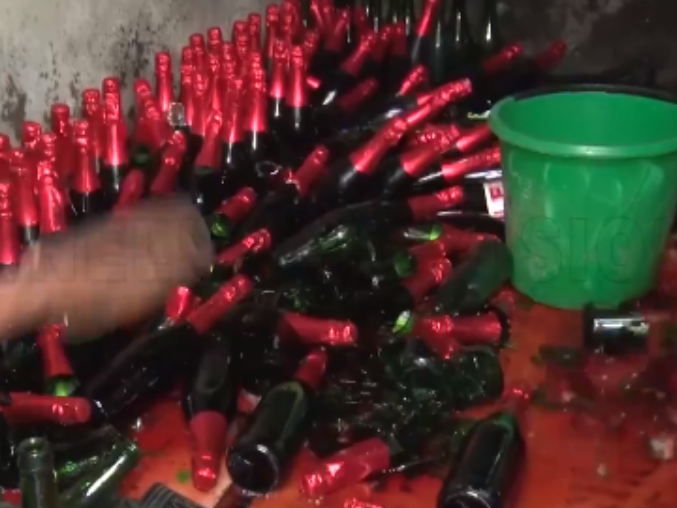
Nigeria is facing a serious public health crisis as counterfeit drugs, beverages, and food products flood the market, jeopardizing the safety of countless consumers. From the excitement of celebrating a new job with a bottle of wine to the simple act of preparing a family meal, many Nigerians are unwittingly putting their health at risk by consuming products that may be ineffective or even harmful. The recent surge in treatment failures among patients relying on counterfeit medications adds a disturbing dimension to this issue, as individuals continue to suffer without realizing that their prescribed treatments may be nothing more than placebos.
The National Agency for Food and Drug Administration and Control (NAFDAC) has intensified its enforcement operations, particularly in major cities like Lagos and Aba, to tackle the rampant trade in fake goods. During these operations, officials uncovered a network of counterfeiters who produce fake drinks and package them in materials bearing the names of reputable brands. Such discoveries have raised alarm bells about the efficacy of regulatory measures and the urgent need for comprehensive strategies to combat this growing menace.
“The safety of our food and drug supply is paramount, and we must work collectively to eradicate the scourge of counterfeit products,” said a NAFDAC official during a recent press briefing.
The implications of this crisis extend beyond individual health concerns; they threaten public trust in the healthcare system and the integrity of the food supply chain. Many Nigerians are left feeling helpless as they navigate a market where the authenticity of everyday products cannot be guaranteed. The government's responsibility to protect its citizens becomes increasingly critical as the situation deteriorates, calling for more robust consumer education and stricter enforcement of existing regulations against counterfeit goods.
As NAFDAC continues its efforts to root out counterfeit operations, it is vital for consumers to remain vigilant and informed about the products they purchase. Awareness campaigns and community engagement initiatives could play a significant role in empowering citizens to make safer choices, ultimately contributing to a healthier Nigeria.
Share this article with your network
Broadcast directly to WhatsApp communities and news circles.
The Abuja Morning Dispatch
Get the capital's most important political investigations, cabinet decisions, and economic intelligence delivered to your inbox every morning.
About The Abuja Times
Super Admin & Lead Director
Related Dispatches in News

Navigating Justice and Fairness Ahead of Nigeria's 2027 Elections
As Nigeria gears up for the 2027 general elections, the focus shifts to the critical need for justice and fairness in governance. The reflections of late elder statesman Yusuf Maitama Sule remind us that elections are pivotal in determining whether the state serves all citizens equitably.

Utomi Criticizes APC Over Luxury SUVs Amidst Soldiers' Low Salaries
Professor Pat Utomi has condemned the All Progressives Congress for gifting luxury SUVs to youth leaders while Nigerian soldiers endure meager salaries. His remarks highlight the stark contrast between government spending and the financial struggles faced by the military.
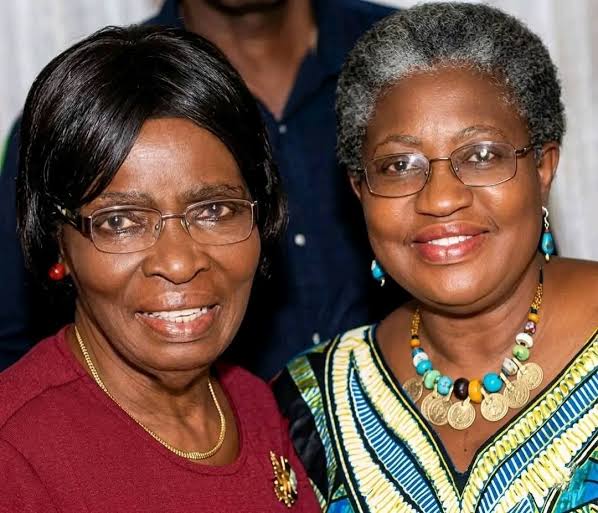
President Tinubu Extends Condolences to Okonjo Family Following the Death of Prof. Kamene Okonjo
President Bola Tinubu has expressed his deep condolences to the Okonjo royal family in Delta State after the passing of Prof. Kamene Okonjo at the age of 96. A distinguished scholar and advocate for women's empowerment, her death is a significant loss to both her family and the broader community.