

Fayemi Critiques Atiku's Fuel Subsidy Proposal as Political Maneuvering
Kayode Fayemi, former Ekiti State Governor, equates Atiku Abubakar's fuel subsidy promise to the APC's controversial Muslim-Muslim ticket strategy, arguing it serves as a political tactic rather than an economic remedy. While acknowledging its appeal to economically vulnerable Nigerians, Fayemi reiterates his long-standing support for the removal of fuel subsidies.
The Abuja Times
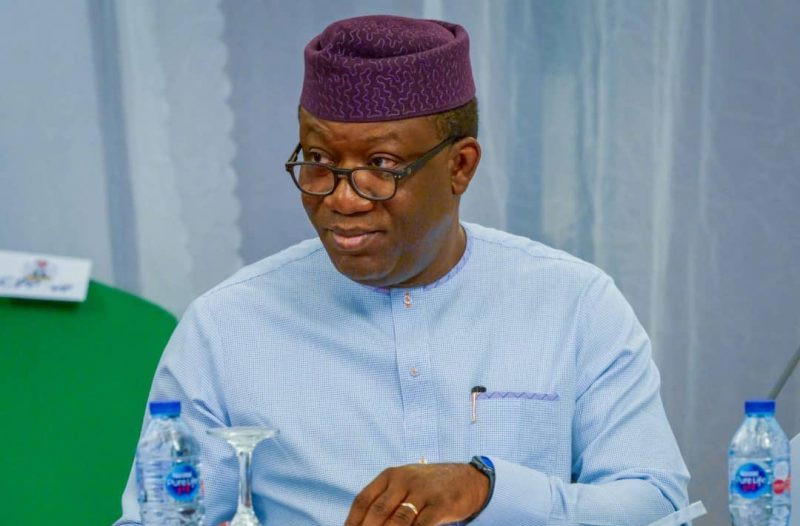
In a recent interview on Arise Television's Prime Time, Kayode Fayemi, the former Governor of Ekiti State and ex-Minister of Solid Minerals Development, shared his thoughts on Atiku Abubakar's proposal regarding fuel subsidies. Fayemi likened Atiku’s approach to a political strategy akin to the All Progressives Congress (APC)'s controversial Muslim-Muslim presidential ticket adopted during the 2023 elections. He stated, "My take on that is that Atiku’s proposal of subsidy is politically equivalent to our own Muslim-Muslim ticket in 2023. It’s a political strategy. It’s not an economic construct."
Fayemi's comments come amid heightened discussions surrounding the implications of fuel subsidy removal in Nigeria. He pointed out that while the proposal might resonate with citizens adversely affected by the subsidy elimination, it is fundamentally a tactic designed to appeal to those struggling economically. "But understandably, it’s a political strategy that will sell with those who are hard done by the impact of fuel subsidy removal," he noted.
Despite addressing the potential political advantages of Atiku's proposal, Fayemi maintained his stance advocating for the removal of fuel subsidies. He emphasized that he has long supported this policy, a commitment he upheld during his tenure as chairman of the Nigerian Governors’ Forum. "I was and I remain an advocate of fuel subsidy removal. As chairman of the governors’ forum, I spent four years in this battle," Fayemi asserted, reinforcing his belief in the necessity of this economic reform for Nigeria's fiscal health.
The debate over fuel subsidies continues to polarize political opinions in Nigeria, with various stakeholders weighing the social and economic impacts of the government's decisions. Fayemi’s insights reflect a broader concern about the political motivations behind policy proposals, especially as the nation gears up for the 2027 presidential election.
Share this article with your network
Broadcast directly to WhatsApp communities and news circles.
The Abuja Morning Dispatch
Get the capital's most important political investigations, cabinet decisions, and economic intelligence delivered to your inbox every morning.
About The Abuja Times
Super Admin & Lead Director
Related Dispatches in News
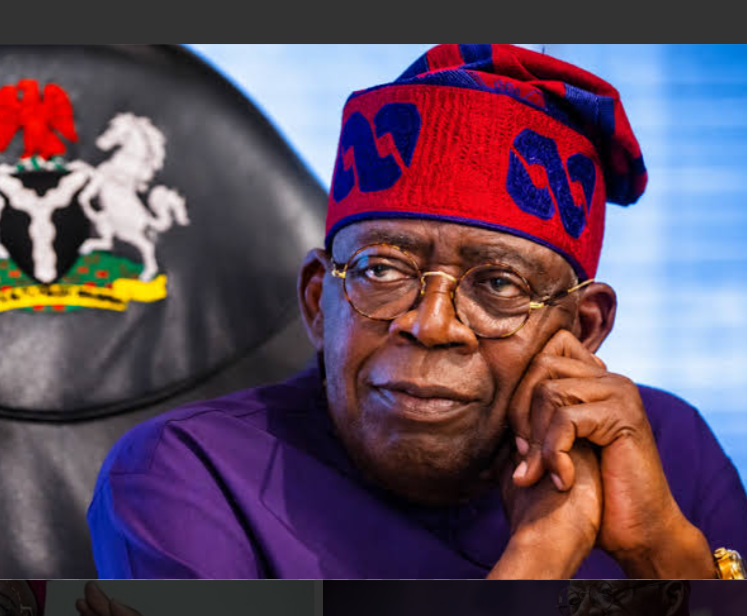
President Tinubu Justifies Borrowing for Infrastructure Development
In a comprehensive defense of his administration's borrowing strategy, President Bola Tinubu emphasizes that investment in infrastructure will create lasting opportunities for future generations. He outlines key projects that are set to enhance Nigeria's economic landscape and boost productivity.
National Directorate of Employment Launches Ambitious Five-Year Plan to Boost Job Creation
The National Directorate of Employment has unveiled a strategic five-year plan aimed at revitalizing job creation and upgrading its skills training facilities across Nigeria. This initiative is designed to align vocational training with industry needs and enhance employment services for sustainable livelihoods.

Confronting the Memory Crisis: Lessons from Ebola's Resurgence in Nigeria
As Nigeria grapples with a renewed threat of Ebola, a deeper epidemic of memory loss emerges, exacerbated by screen addiction and poor record-keeping. The lessons learned from past outbreaks highlight the urgent need for institutional diligence and public awareness.