

NMDPRA Grants Import Permits for 830,000 Tonnes of Petrol Amid Ongoing Legal Dispute with Dangote
The Nigeria Midstream and Downstream Petroleum Regulatory Authority has sanctioned the importation of 830,000 metric tonnes of petrol, paving the way for several oil marketers as the nation approaches the final quarter of 2026. This decision comes in the midst of a legal confrontation involving the Dangote Group.
The Abuja Times

The Nigeria Midstream and Downstream Petroleum Regulatory Authority (NMDPRA) has officially approved the importation of approximately 830,000 metric tonnes of petrol, a significant move aimed at bolstering supply as the country heads towards the final quarter of 2026. This approval is particularly crucial given the current dynamics in Nigeria's petroleum sector, which is characterized by increasing demand and supply challenges.
The decision to grant these import permits to multiple oil marketers comes at a pivotal time for the industry, especially as stakeholders navigate a complex landscape marked by fluctuating global oil prices and local market pressures. The NMDPRA's action is expected to alleviate some of the supply constraints that have plagued the market, ensuring that consumers have access to necessary fuel supplies.
However, the approval is overshadowed by ongoing legal disputes involving the Dangote Group, a major player in the Nigerian oil sector. The implications of this legal battle could potentially affect the operational landscape for the newly permitted imports, raising questions about the competitive dynamics among local marketers and the regulatory environment.
“This move by the NMDPRA reflects a proactive approach to managing petrol supply, but the legal challenges faced by key industry players like Dangote could complicate implementation,” commented an industry analyst.
As the NMDPRA continues to navigate regulatory frameworks and market demands, the approval of these petrol import permits marks a significant step in addressing the broader challenges within Nigeria's petroleum sector. Stakeholders will be closely monitoring how this situation evolves, particularly in light of the ongoing legal complexities that could influence market stability.
Share this article with your network
Broadcast directly to WhatsApp communities and news circles.
The Abuja Morning Dispatch
Get the capital's most important political investigations, cabinet decisions, and economic intelligence delivered to your inbox every morning.
About The Abuja Times
Super Admin & Lead Director
Related Dispatches in Business
Naira Weakens Against Dollar, Hits N1,382 in Parallel Market
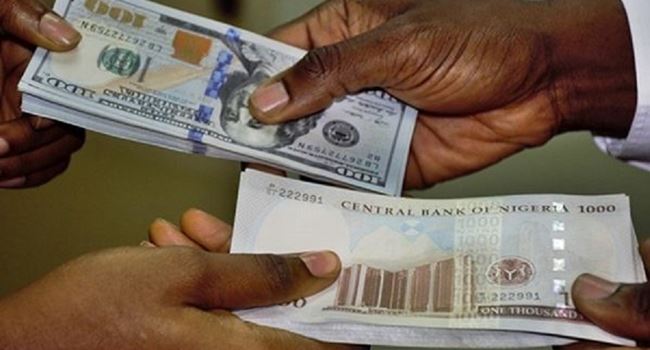
The Nigerian Naira has further depreciated, falling to N1,382 per dollar in the parallel market, reflecting ongoing economic pressures. This decline highlights a widening gap between the official and parallel market rates, now standing at N50.5.
Concerns Rise Over Job Losses as N3.9 Trillion Debt Threatens 22 Firms
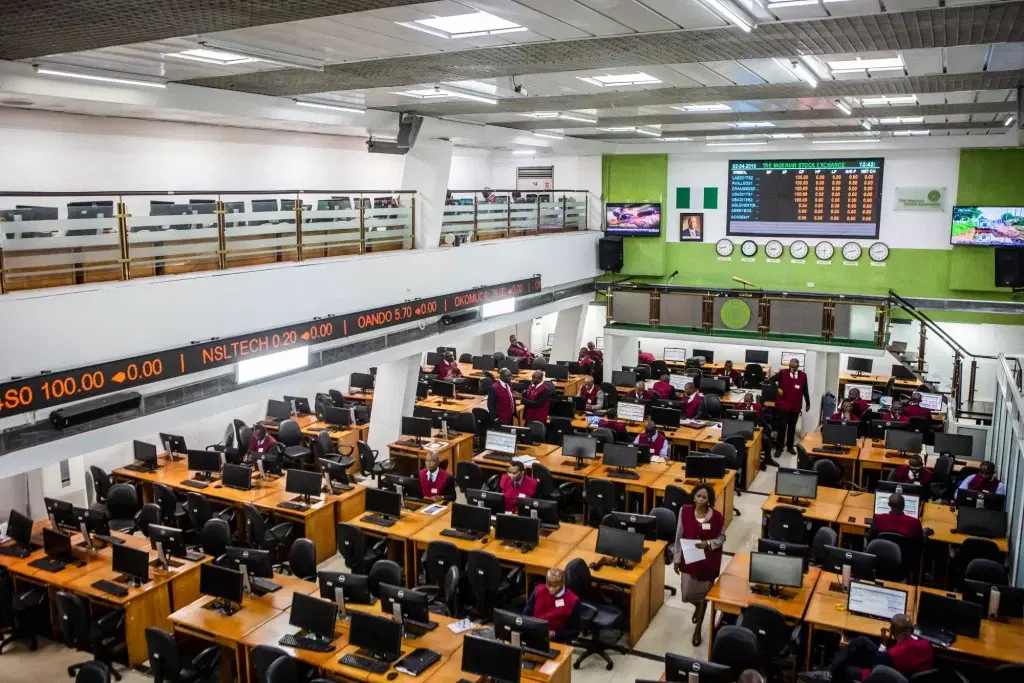
A recent analysis reveals a stark contrast in the cash/debt ratios of companies listed on the Nigerian Exchange, with 22 firms facing potential insolvency due to overwhelming debt. The combined debt of these companies, amounting to N3.9 trillion, raises alarms about possible job losses and economic impact.
NCDMB's Strategic Role in Advancing Tinubu's Economic Vision
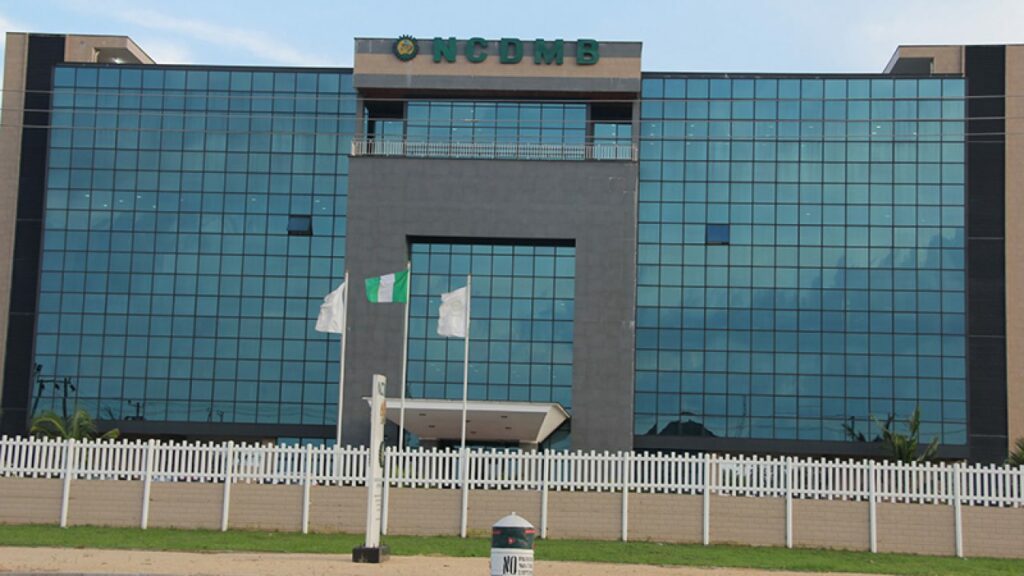
Since his appointment, Engr. Felix Ogbe has transformed the NCDMB into a pivotal force in Nigeria's economic reform agenda under President Tinubu. By prioritizing local content, the Board aims to boost domestic production and reduce reliance on imports.