

Stakeholders Urge Nigeria to Shift Focus from Raw Exports to Agro-Processing
Industry experts emphasize the need for Nigeria to transition from exporting raw agricultural products to processing them, to enhance export revenues and create job opportunities. This call came during a panel discussion at the FirstBank Agric & Export Expo in Lagos, highlighting the potential economic benefits of value addition in agriculture.
The Abuja Times
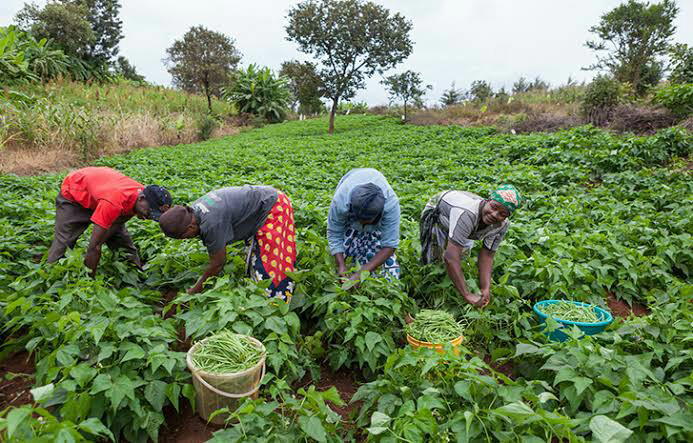
At the recent FirstBank Agric & Export Expo held in Lagos, stakeholders from the agriculture and financial sectors underscored the urgent need for Nigeria to pivot from exporting raw agricultural commodities to focusing on processing and adding value to its farm produce. This strategic shift is seen as essential not only for boosting export earnings but also for creating jobs and reinforcing domestic industries.
Chief Executive Officer of Greenview Fertilizer Corporation, Vishwajit Sinha, emphasized the economic implications of exporting raw materials without processing them. He noted, “If you export your raw material, then you are exporting all the jobs. And if you import the finished product, then you are importing poverty.” Sinha highlighted the stark contrast between the global market for processed products, such as chocolate and cocoa, which stands at approximately $150 billion, and the mere $10–12 billion for raw cocoa exports.
According to Sinha, these figures represent significant opportunities for the Nigerian government to capitalize on value addition in agriculture. “These are the low-hanging fruits our government can take and say, ‘Let us do more value addition.’ If you do the value addition, that will not only create jobs, but at the same time, your export and processed food export will become high,” he remarked.
Additionally, Mahdi Tahir, an economist at Wilmar Agribusiness Nigeria Limited, pointed to several challenges hindering Nigeria's agricultural research and production capabilities. He cited policy inconsistency, inadequate funding, and bureaucratic hurdles as significant barriers that need to be addressed to unlock the sector's potential. The consensus among stakeholders is clear: enhancing Nigeria's agro-processing capabilities is vital for both economic growth and job creation.
Share this article with your network
Broadcast directly to WhatsApp communities and news circles.
The Abuja Morning Dispatch
Get the capital's most important political investigations, cabinet decisions, and economic intelligence delivered to your inbox every morning.
About The Abuja Times
Super Admin & Lead Director
Related Dispatches in Business

Naira Weakens Against Dollar, Hits N1,382 in Parallel Market
The Nigerian Naira has further depreciated, falling to N1,382 per dollar in the parallel market, reflecting ongoing economic pressures. This decline highlights a widening gap between the official and parallel market rates, now standing at N50.5.

Concerns Rise Over Job Losses as N3.9 Trillion Debt Threatens 22 Firms
A recent analysis reveals a stark contrast in the cash/debt ratios of companies listed on the Nigerian Exchange, with 22 firms facing potential insolvency due to overwhelming debt. The combined debt of these companies, amounting to N3.9 trillion, raises alarms about possible job losses and economic impact.

NCDMB's Strategic Role in Advancing Tinubu's Economic Vision
Since his appointment, Engr. Felix Ogbe has transformed the NCDMB into a pivotal force in Nigeria's economic reform agenda under President Tinubu. By prioritizing local content, the Board aims to boost domestic production and reduce reliance on imports.